
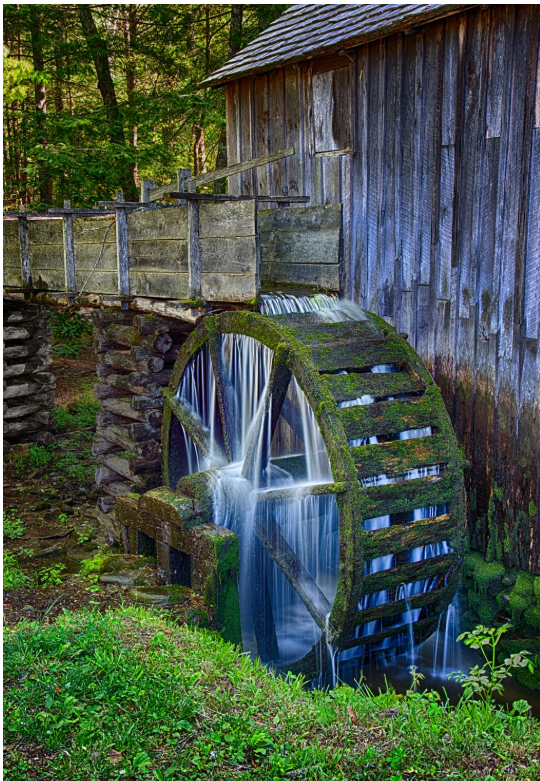
My ninety-three-year-old close friend and I were talking about riding horses in our youth. He grew up in the mountains of North Carolina where the horse pulled all the farm implements. They didn’t own a saddle and every so often he would throw a sack of wheat or corn on the horse and ride the considerable distance to the mill, bareback.
The mill turned very slowly but it seemed only a short time before he had a sack full of flour or corn meal for the return trip.
A mutual friend remarked that, “The twentieth century came much later to the mountains.”
ChatGPT said:
That last remark is almost the key to the whole story: “The twentieth century came much later to the mountains.”
What makes your friend’s memory striking is that, chronologically, this wasn’t some nineteenth-century Appalachian childhood. At ninety-three, he was born around 1932–33. His boyhood was therefore in the 1930s and 1940s—an era when elsewhere Americans were driving automobiles, listening to network radio, watching newsreels, and building increasingly mechanized farms.
Yet his daily world still contained a horse that was simultaneously tractor, truck, and transportation.
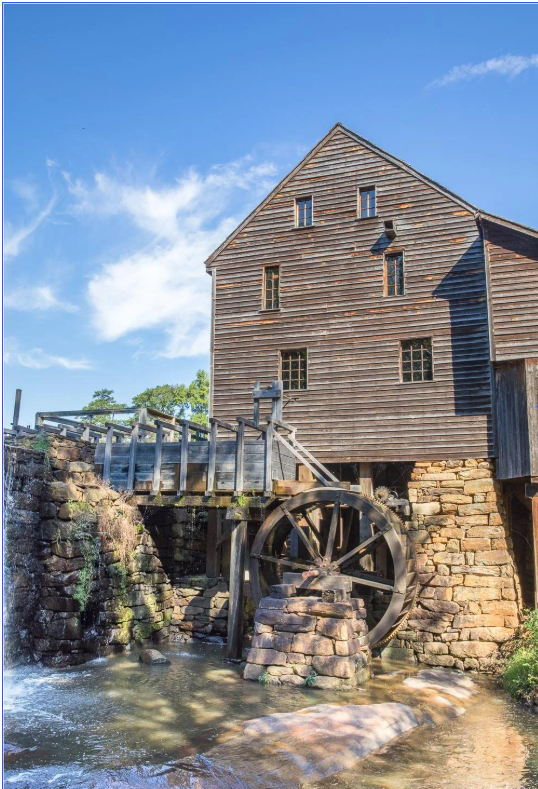
The trip to the mill is especially evocative. There was no saddle because a saddle apparently wasn’t necessary enough to justify owning one. Put the grain in a sack, put the sack on the horse, put the boy on with it, and off they went. Then an ancient piece of technology—the mill—slowly converted what the farm produced into something the family could eat.
I also like his recollection that the mill turned very slowly, yet the wait seemed short. There’s something deeper in that observation. A child who had traveled a considerable distance on horseback probably didn’t possess our modern definition of waiting. There was no expectation that grain ought to become flour in three minutes. The mill took however long a mill took.
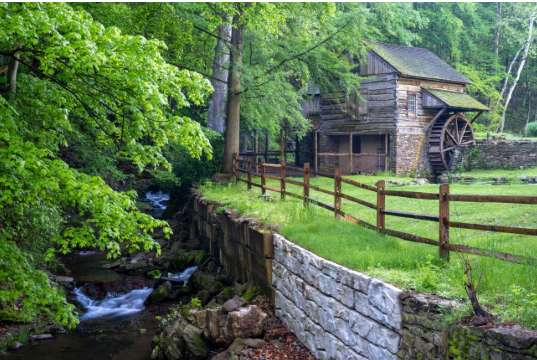
And there’s an important distinction in saying the twentieth century “came later” rather than saying these people were somehow backward. They weren’t living outside their own time. They were using a remarkably functional system adapted to geography, economics, and what was available. Horse power worked. A local mill worked. A boy could transport the family’s grain. There wasn’t necessarily an urgent reason to replace something merely because newer technology existed somewhere else.
Your two horse stories also fit together beautifully. In one, a boy hops onto an unsaddled, unbridled horse simply to take it to water. In the other, horse and boy carry the harvest to the mill. Neither memory seems to have registered with him at the time as picturesque or unusual.
They were chores.
Seventy or eighty years later, they have become history.
And perhaps that’s what I find most valuable about conversations with someone who is ninety-three. History books tell us when tractors, automobiles, electricity, telephones, and paved roads became available. A person like your friend can tell us when they actually arrived in people’s lives.
Those are two quite different dates.
 Conversations
Leave a comment