
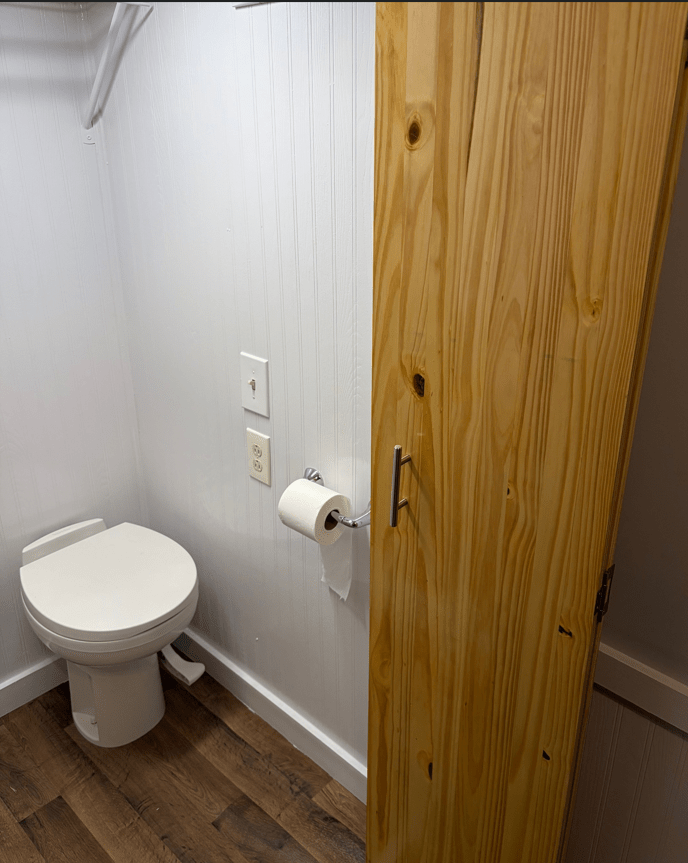
My door opening is a non-standard size and trimming store bought bifold doors to fit results in structurally unsound doors. AI to the rescue. I followed the instructions exactly and created the perfect door.
You said:
What dimensions do I cut the panels to build a bifold door to fit a 30” x 71” opening?
ChatGPT said:
For a 30” wide × 71” high finished opening, here’s how to size the panels for a standard 2-panel bifold door.
🔧 Step 1: Understand Required Clearances
Bifold doors need space for:
- Pivot hardware at top & bottom
- Track at the top
- Side clearance so they don’t rub
- A small gap between panels
Typical allowances (may vary slightly by hardware brand):
- Width clearance: ~½” total
- Height clearance: ~1½” total
📏 Panel Width Calculation
Opening width: 30”
Subtract about ½” total clearance:
30” – ½” = 29½” usable width
29½” ÷ 2 = 14¾” per panel
✅ Cut each panel to 14¾” wide
📏 Panel Height Calculation
Opening height: 71”
Subtract about 1½” total clearance:
71” – 1½” = 69½”
✅ Cut each panel to 69½” tall
Note: Oops. Typo. The opening is actually 72″ high but adding 1″ to the calculations was easy so no need to correct the AI.
✅ Final Panel Size
Each of the two panels should be approximately:
14¾” wide × 69½” tall
⚠️ Very Important
Before cutting:
- Measure the opening in 3 places (top, middle, bottom for width; left, center, right for height).
- Use the smallest measurement.
- Check your specific hardware instructions — some require slightly different clearances.
🛠 If You Want It to Fit Like a Store-Bought 30” Bifold
Factory 30” bifolds are typically:
- 29½” total width
- 79” tall (for 80” openings)
Since your height is only 71”, you’re building a shorter custom unit — so hardware positioning becomes more important.
If you’d like, tell me:
- Are you surface mounting the track?
- What thickness material are you using?
- Is this for a closet or something heavier like a pantry door?
I can dial it in tighter for your situation.
You said:
I’m using 1” pine project boards, 3/4 inch actual.
ChatGPT said:
Perfect — 1” pine project boards (¾” actual thickness) are ideal for a lightweight bifold in a 30” × 71” opening.
Let’s dial this in a little tighter so you don’t end up trimming later.
📐 Finished Panel Size (Using ¾” Pine Boards)
For a 30” W × 71” H rough opening:
✅ Each panel:
14¾” wide × 69½” tall × ¾” thick
That size assumes:
- ~½” total width clearance
- ~1½” total height clearance (track + bottom pivot adjustment)
🔎 But Here’s What I’d Actually Do (Real-World Advice)
Closet openings are almost never perfectly square. Before cutting:
1️⃣ Measure Width in 3 places
- Top
- Middle
- Bottom
Use the smallest measurement.
If your smallest width is, say, 29⅞”, then:
29⅞” – ½” clearance = 29⅜”29⅜” ÷ 2 = 14 11/16” per panel
That’s the difference between “fits nice” and “why is this rubbing?”
⚙️ Hardware Tip (Important with ¾” Material)
Most bifold pivot hardware requires:
- ~⅜” to ½” deep hole at top and bottom
¾” thickness is fine — just center your pivot holes carefully.
If you go thinner, it gets risky. At ¾”, you’re safe.
Note: The hardware kit required 5/8″ holes at least 1.5″ deep. With the door only 3/4″ thick there was only 1/16″ clearance on each side of the hole or (3/4 – 5/8)/2 = 1/16. This required very precise drilling.
🧰 Recommended Clearances for Smooth Operation
- Leave about ⅛” gap between the two panels
- Leave about ⅛” gap at hinge side
- Bottom clearance: at least ½” above finished floor
🪚 Pro Tip Before Final Install
After assembly:
- Dry fit panels in opening without hinges.
- Check for rub.
- Plane or sand edges slightly if needed.
- Then install hardware.
Pine is forgiving — easy to tune with a block plane.
⚙️ Hinge Placement (Per Panel)
For the two panels that fold together:
- 1 hinge ~7–8” down from top
- 1 hinge centered
- 1 hinge ~7–8” up from bottom
Use 2½”–3” butt hinges.
🧠 Extra Stability Tip (Important with Pine)
If this is going in a closet where humidity changes:
- Seal all sides before install
- Even a quick coat of primer reduces warping
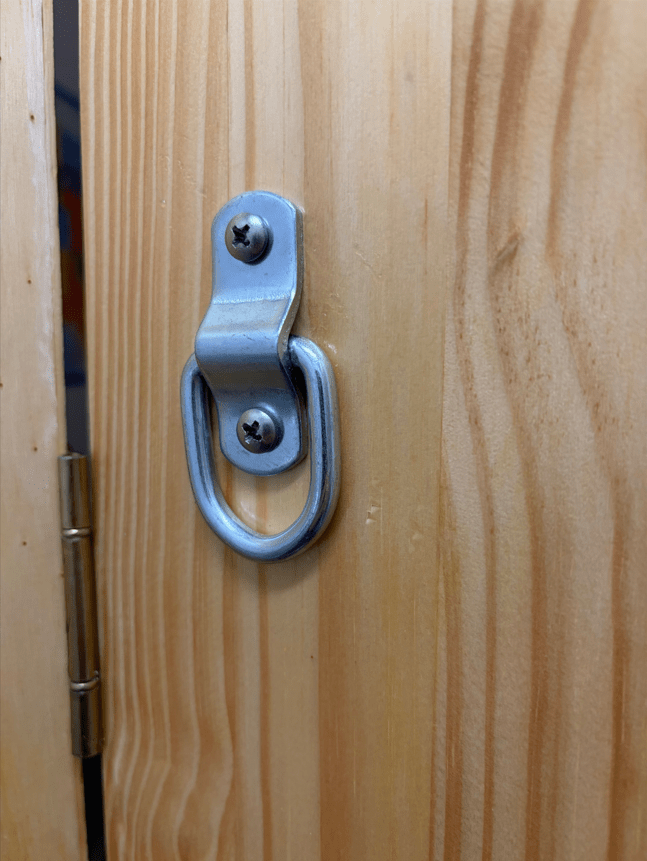
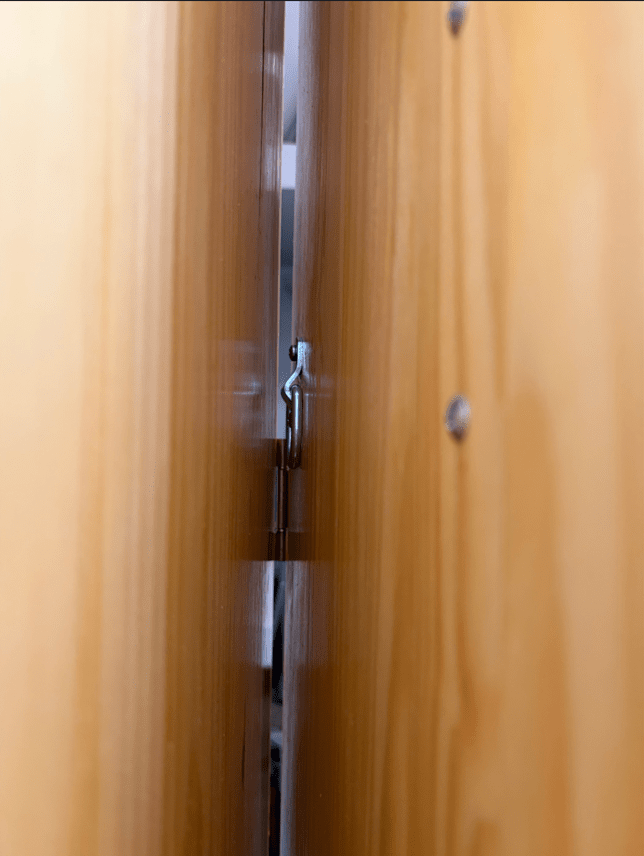
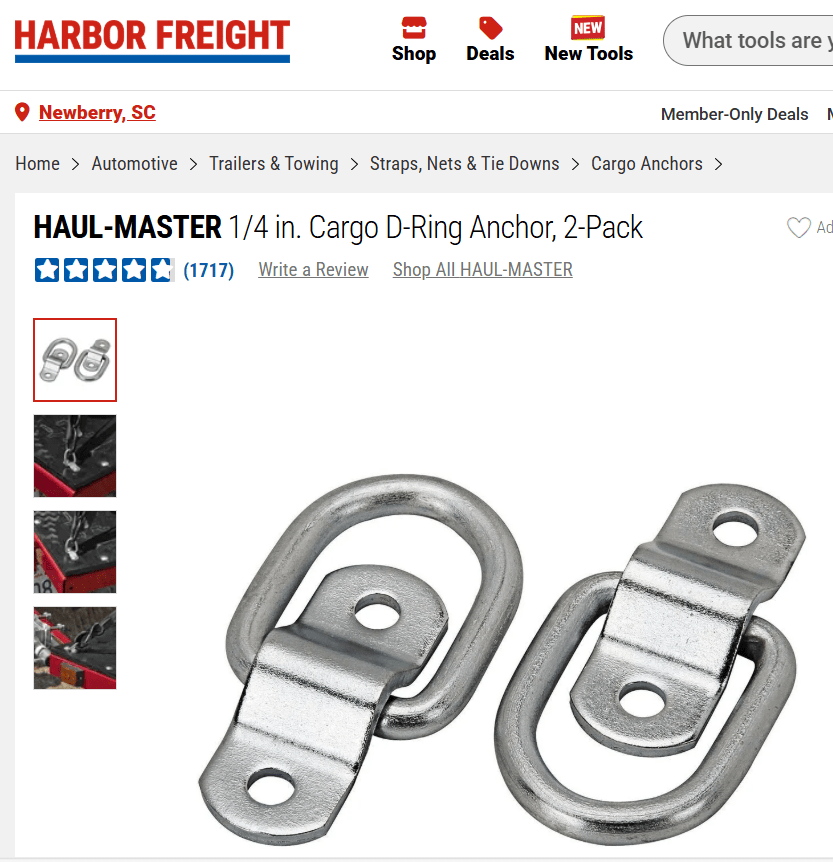
Note: My bifold door is for a bathroom in a tiny house rather than a closet. As a result, the door must be closed from both the outside and inside. On the inside, however, a handle or knob with more than about 3/8″ depth prevents the bifold door from closing completely. My solution was to get a tie down anchor from Harbor Freight for less than $3. It works great.


Leave a comment