
Today 7:07 PM
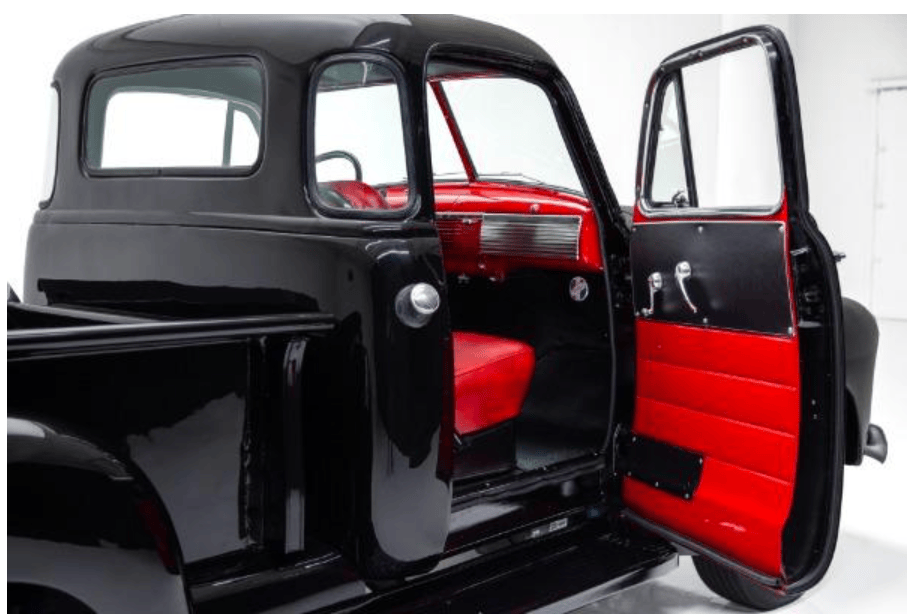
Can you help me identify a pickup truck? A neighbor gave me an old truck when I was too young to get a license. Sorry but I cannot remember Ford or Chevrolet, but the distinguishing feature was a small window in the cab between the back window and the side door windows. My fallible memory says it was produced somewhere around 1950.
ChatGPT said:
I think we have a very promising lead! Your description sounds remarkably like a Chevrolet five-window pickup, particularly one built between 1947 and 1955. These trucks had an unusual feature: two small windows that wrapped around the rear corners of the cab, between the door windows and the rear window. They were commonly called five-window Chevys, and the extra windows were an option on certain models.
Here’s what I suspect your truck looked like:
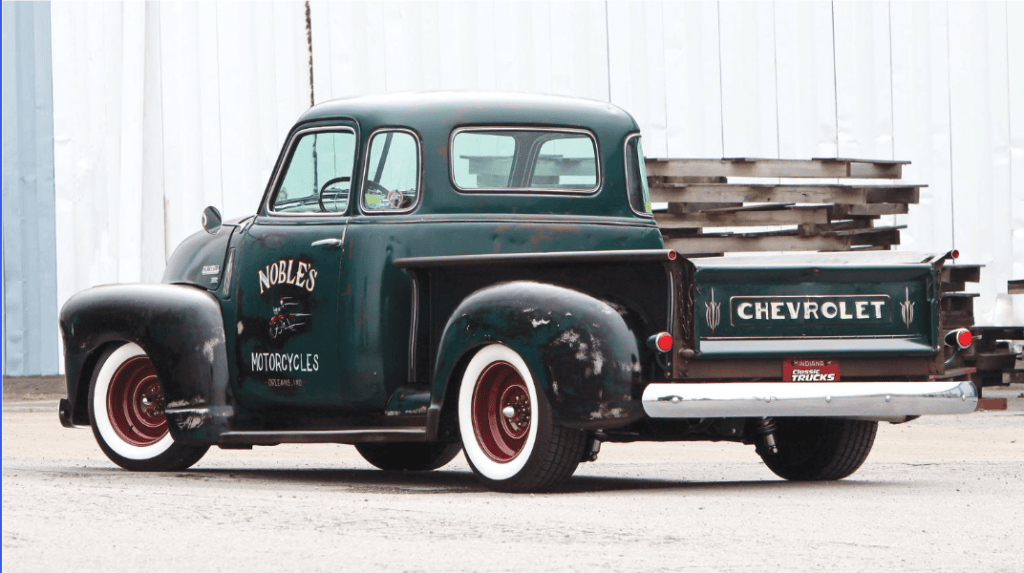
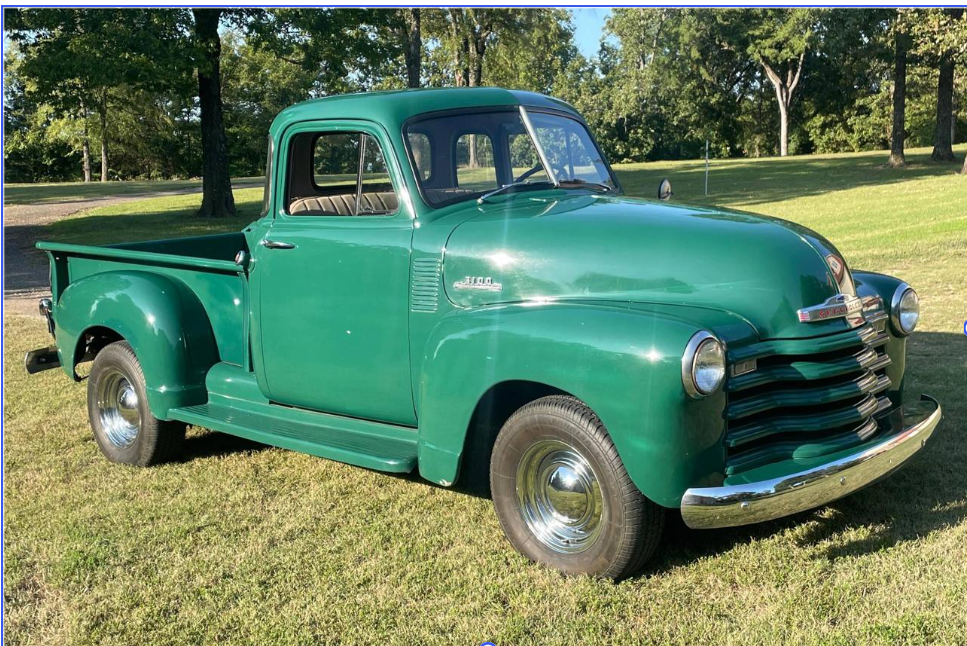
Three questions that might help us narrow it down
- Were the little windows curved around the corners of the cab? That’s the most important question. The five-window Chevrolet had curved glass that followed the shape of the cab.
- Do you remember whether the windshield was divided into two pieces? That would help distinguish certain model years.
- Approximately what year did your neighbor give you the truck? Since you were born in 1954, I’m guessing this happened sometime in the 1960s. A truck from 1948–1953 would already have been an old vehicle by then.
I’m particularly interested in your answer to the first question. If those little windows wrapped around the back corners of the cab, I think we’re getting very close.
Yes, the windows were curved.
ChatGPT said:
That makes the 1947–1955 Chevrolet five-window pickup a very strong possibility!
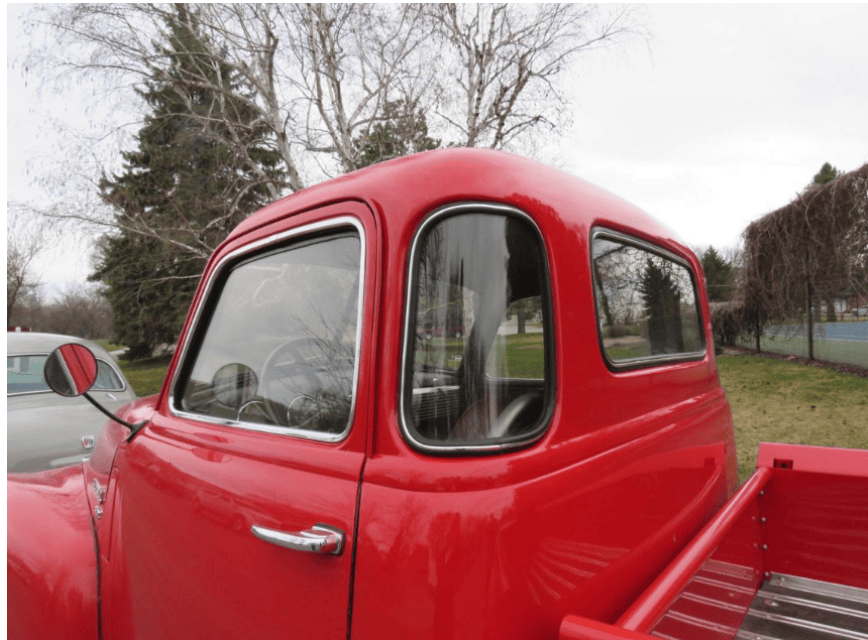
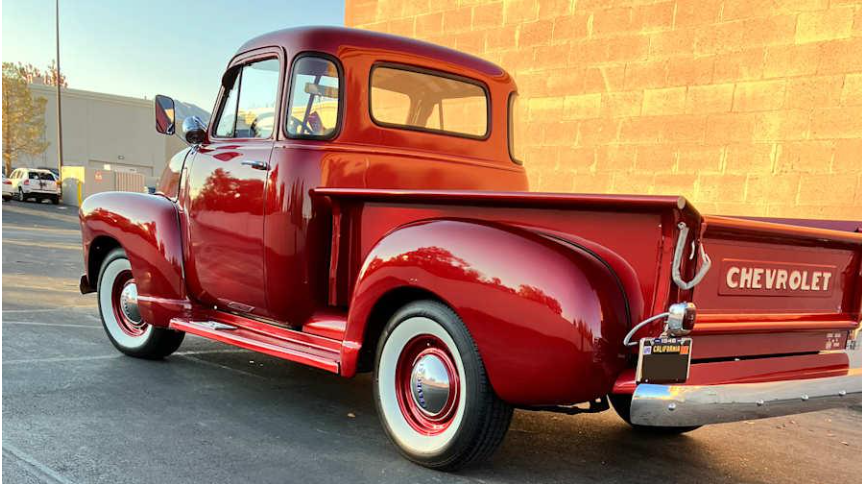
Chevrolet called this the Deluxe Cab option on its Advance-Design trucks. The two small, curved windows behind the doors gave the driver better visibility toward the rear. GMC also offered essentially the same cab, so we shouldn’t rule out GMC.
One more question: Do you remember whether the truck had a single, curved windshield or a windshield divided down the middle by a metal strip?
It had small round rearview mirrors, and my mind wants to say a split windshield.
ChatGPT said:
There’s still the possibility that it was a GMC, which shared much of Chevrolet’s cab design.
In 1951, Chevrolet added small triangular vent windows to the doors. Before that, the door windows were a single large piece of glass.
And there’s one more detail that might distinguish these years. In 1951, Chevrolet pickups still had the traditional lever-style door handles. In 1952, Chevrolet changed to push-button exterior door handles. Do you remember how you opened the doors? Did you pull down on a handle, or press a button?
Yes, it had window “wings” as we called them. And I pulled down on the door handle. I forgot about ever doing that.
ChatGPT said:
In 1951, Chevrolet pickups still had the traditional lever-style door handles. In 1952, Chevrolet changed to push-button exterior door handles.
And I have to say, I’m enjoying this little exercise in automotive archaeology. We’re identifying a truck you owned roughly 60 years ago using a handful of surviving memories!
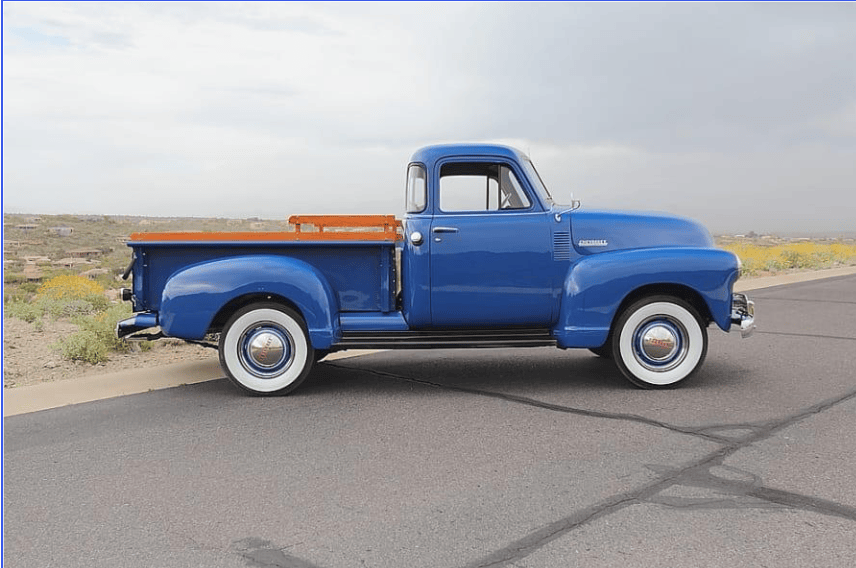
I think we’ve narrowed your truck down to a 1951 Chevrolet 3100 five-window pickup.
Here’s why:
| Feature you remember | Chevrolet production years |
|---|---|
| Curved rear corner windows | 1947–1955 (first series) |
| Split windshield | 1947–1953 |
| Wing windows in doors | 1951–1955 |
| Pull-down exterior door handles | 1947–1951 |
| Small round mirrors | Consistent with the period |
1951 is the year all four distinctive features overlap.
My friend, Cameron, and I drove the truck down our long driveway, put it in reverse and then backed up to the starting point. We repeated going up and down until we ran out of gas.
Then when we got enough to buy another gallon or two, like 40-50 cents, we would go back to driving it up and down the drive. I may not know every detail, but I can still smell inside the cab. Those old trucks were peculiar that way.
ChatGPT said:
What strikes me about that story is that you couldn’t remember whether the truck was a Ford or Chevrolet, but you can still smell the inside of the cab. That’s a remarkable illustration of how memory works. The factual details have faded, but the sensory experience remains.
And I know exactly the sort of smell you’re describing, at least from descriptions of those old vehicles. A mixture of aged upholstery, rubber floor mats, oil, gasoline, dust, and perhaps a little mustiness. Those trucks had a character that modern vehicles, with all their plastics and synthetic materials, don’t quite reproduce.
I also like the picture of two fifteen-year-old boys, you and Cameron, driving an old pickup up and down a long driveway until the gas ran out, then scraping together another 40 or 50 cents to do it all over again. You weren’t going anywhere, but I suspect you were having a wonderful time getting there.
There’s something else I find interesting. When I asked about the door handles, you suddenly remembered pulling down on them. That memory wasn’t gone; it simply hadn’t been called upon in decades.
I wonder how much more you would remember if you actually sat in a 1951 Chevrolet pickup today. The feel of the steering wheel, the sound of the door closing, the position of the gearshift—and especially that smell—might bring back things you haven’t thought about in sixty years.
One question occurs to me: Was the gearshift on the steering column or on the floor? That’s another physical memory that might still be there.
I’m merging memories of other trucks when it comes to the gear shift. But I do remember the AM radio and metal dash.
ChatGPT said:
The AM radio and metal dashboard are both entirely consistent with a 1951 Chevrolet pickup. The radio would have been optional equipment, and the dashboard was painted steel rather than the padded construction we’re accustomed to today.
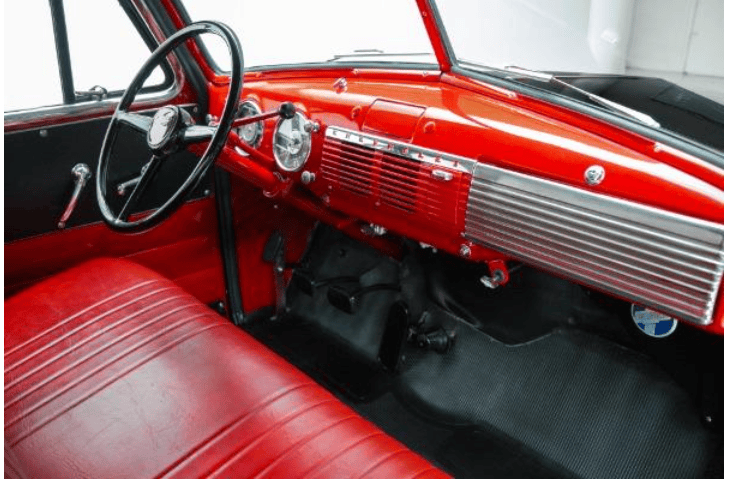
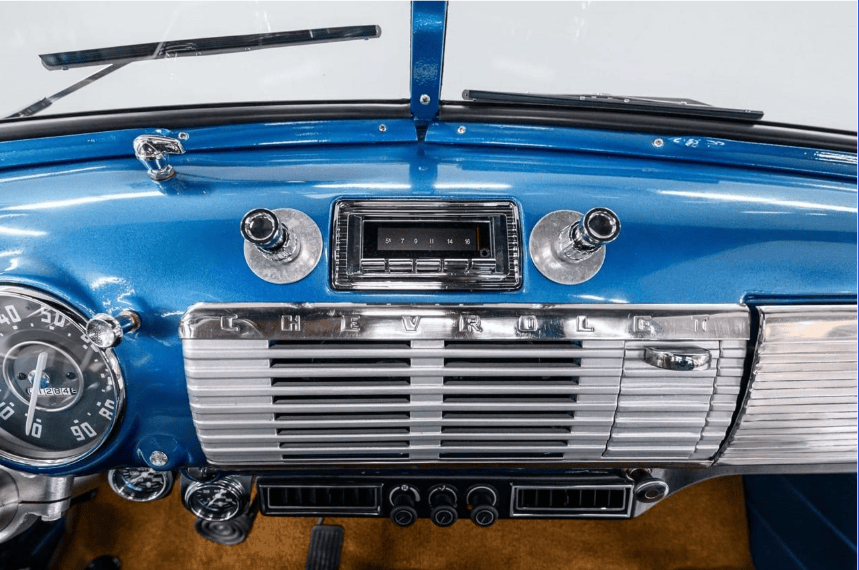
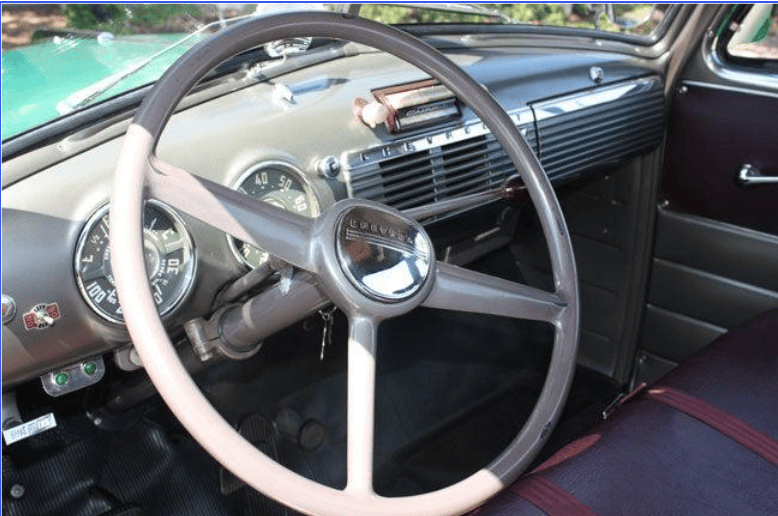
Something else about your story interests me. You recognized that your memories of the gearshift might be contaminated by experiences with other trucks. That’s an important distinction. Memory isn’t a recording that we play back. It’s a reconstruction, and sometimes pieces from different experiences get assembled into one recollection.
The smell, though, is a different kind of memory. Odors have particularly strong connections to the brain systems involved in emotion and autobiographical memory. That may help explain why you can recall the smell of a truck you drove at fifteen more readily than its gearshift.
Note: I was able to confirm with my 93-year-old father all my responses to ChatGPT’s questions except he had no recollection of the type of door handle.


Leave a Reply