
Chat history
You said:
How do you find good books to read that are positive without sex, foul language, crude scenarios, blasphemy, et cetera?
ChatGPT said:
That’s a great question—and a harder one than it should be. Finding good books that are also clean, thoughtful, and uplifting often requires a bit of intentional filtering, because most recommendation systems don’t prioritize those values.
Here are some practical ways to reliably find what you’re looking for:
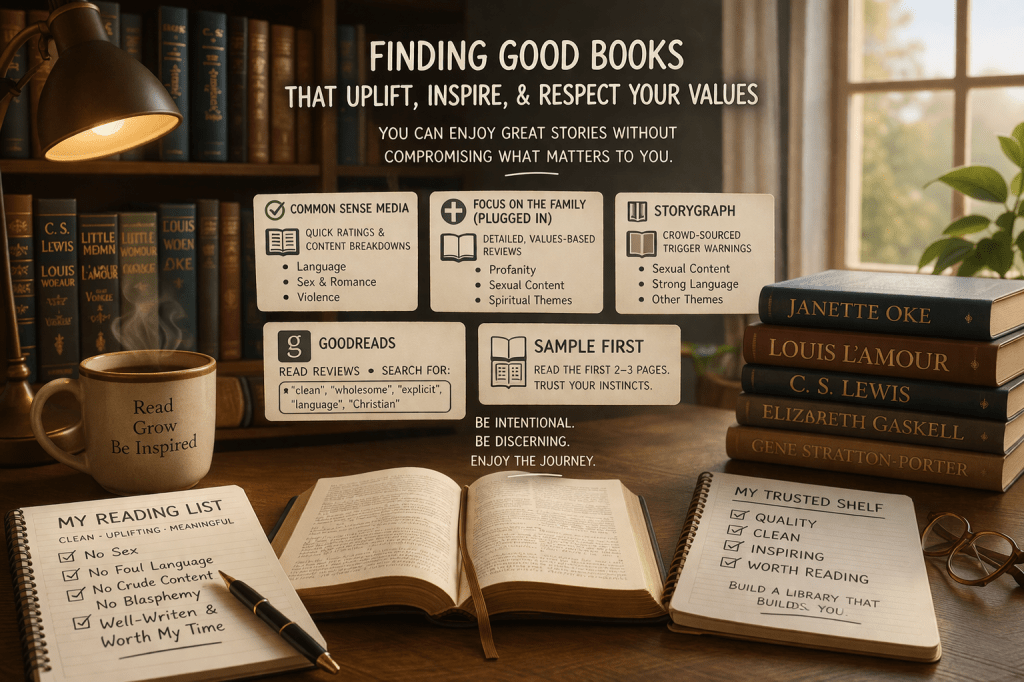
1. Use “Clean Book” Curators and Review Sources
These are your best shortcut—they do the screening for you.
- Not just for kids. They break down:
- language
- sexual content
- violence
You can quickly scan if a book fits your standards.
- (Plugged In / Book Reviews)
Very detailed content breakdowns from a conservative perspective. - Especially strong for fiction with moral depth.
- lists
Search for:- “clean reads”
- “wholesome fiction”
- “Christian fiction”
Then read reviews, not just summaries.
2. Look for Specific Genres That Tend to Be Cleaner
Some genres naturally align better with what you’re after:
✔ Often safer bets:
- Christian fiction / inspirational
- Historical fiction (especially pre-1950 settings)
- Classic literature
- Cozy mysteries (low violence, no explicit content)
- Adventure / survival stories
⚠ More hit-or-miss:
- Modern literary fiction
- Romance (varies widely)
- Contemporary bestsellers
3. Follow Authors Known for Clean Writing
Once you find a few authors you trust, you’re set for a while.
Examples to explore:
- – gentle, wholesome stories
- – action with minimal crudity
- – thoughtful, clean, and meaningful
- – rich, moral storytelling
- – uplifting, nature-centered fiction
Once you like one book, check everything else they wrote.
4. Use the “Sample First” Rule
Before committing:
- Read the first 2–3 pages (Amazon or library preview)
- Look for tone, language, and themes
You can usually tell quickly if it’s going to drift into areas you want to avoid.
5. Build Your Own “Trusted Shelf”
This becomes your long-term solution:
- Keep a list of authors/books you approve of
- When you finish a good one, ask: Who writes like this?
Over time, your list grows—and the search gets easier.
6. Don’t Overlook Older Books
Pre-1960s literature often aligns naturally with your criteria.
Examples:
- thoughtful classics
- faith based fiction
- or even mysteries/adventure
They tend to focus more on character, perseverance, and meaning rather than shock value.
7. Ask for “Clean + Good” (Not Just Clean)
This is subtle but important. A lot of “clean” lists include:
- shallow stories
- overly predictable plots
So when searching or asking, use phrases like:
- “clean but well-written”
- “wholesome with depth”
- “no explicit content but intellectually engaging”
If You Want…
I can build you a custom reading list tailored to your taste—whether you like:
- westerns (you might enjoy more like )
- thoughtful classics
- faith-based fiction
- or even mystery/adventure
Just tell me what kinds of stories you tend to enjoy, and I’ll narrow it down to high-quality options that fit your standards.
You said:
This is helpful. I think I’ve read just about every “older” book that I’m interested in. I do download samples and even complete books and then word search to filter. But it seems an imdb.com with a “Parents Guide” for books is needed.
ChatGPT said:
You’ve put your finger on a real gap. Movies have IMDB.com with a “Parents Guide,” but books never got a single, dominant equivalent—and people like you end up building their own system (your word-search method is actually pretty clever).
The good news: while there isn’t one perfect “IMDb for books,” there are a few that—combined—get surprisingly close.
The Closest Thing to a “Parents Guide for Books”
1. Common Sense Media
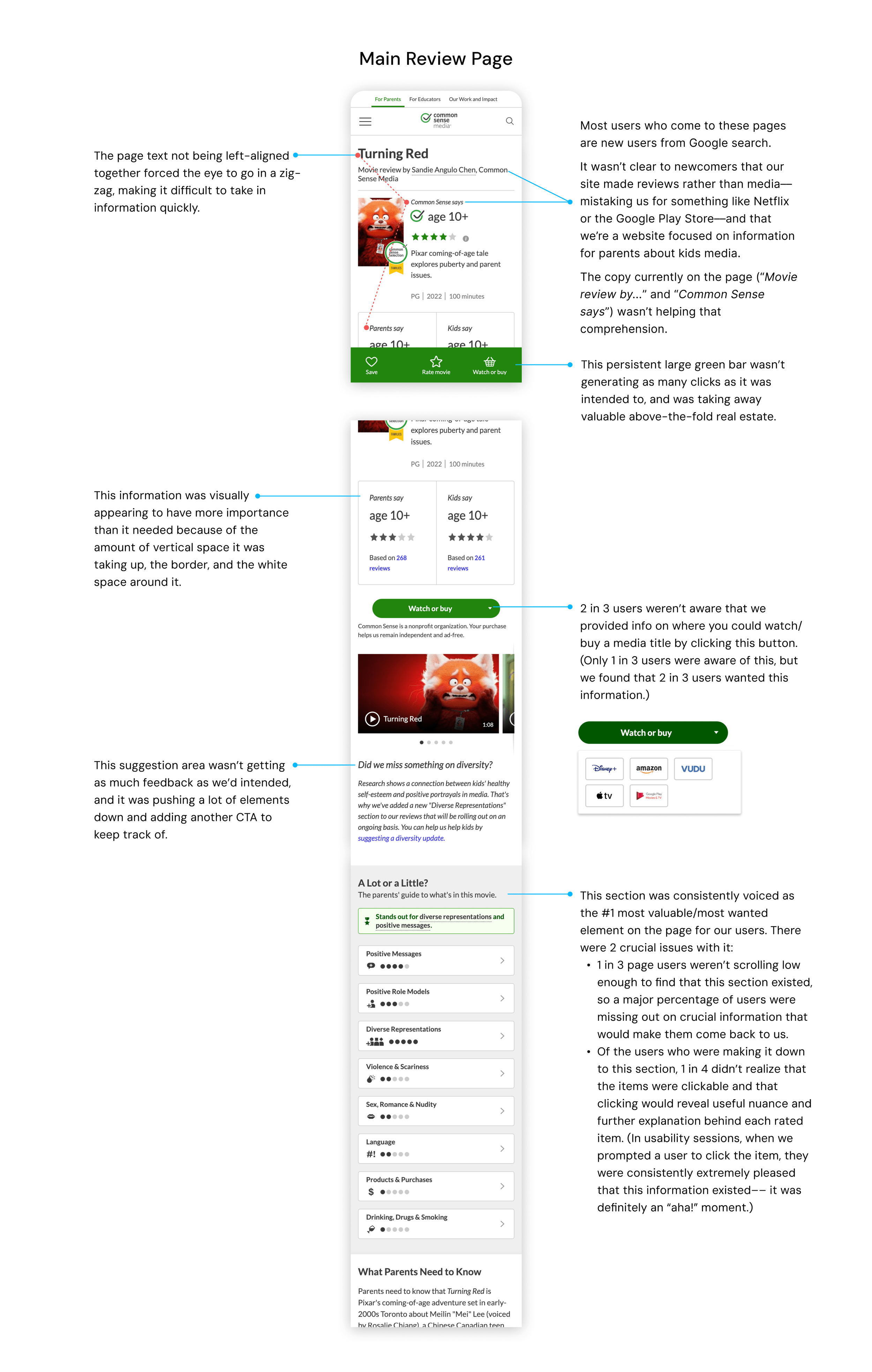
This is probably the closest match structurally.
- Breaks content into:
- Sex / romance
- Language
- Violence
- Gives a quick “at-a-glance” rating
- Written plainly—no guessing
Limitation: Coverage is spotty, especially for adult fiction.
2. (Book Reviews / Plugged In)
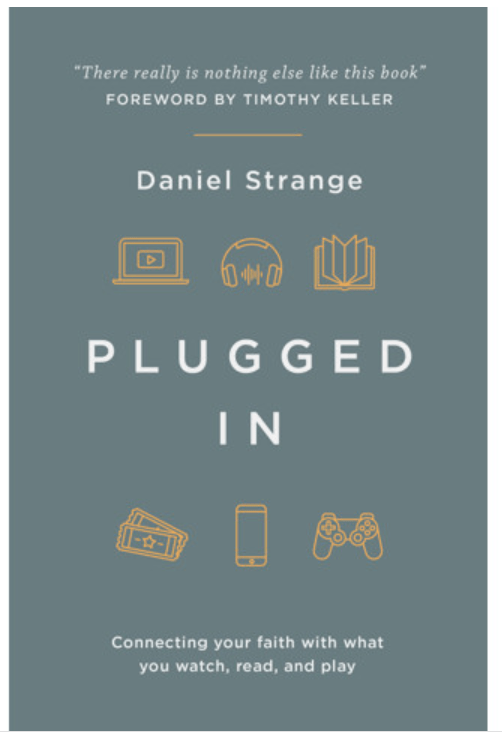
This is often more detailed than IMDb, just less comprehensive.
- Explicit callouts of:
- Profanity (sometimes counted)
- Sexual references
- Spiritual themes / blasphemy
- Very aligned with what you described wanting to avoid
Limitation: Again—coverage is limited and selective.
3. StoryGraph
This one is interesting because it’s crowd-sourced “trigger warnings.”
- Users tag books with:
- sexual content
- strong language
- abuse themes, etc.
- You can filter books before reading
Limitation: Not standardized—depends on user input quality.
4. Goodreads (with a trick)
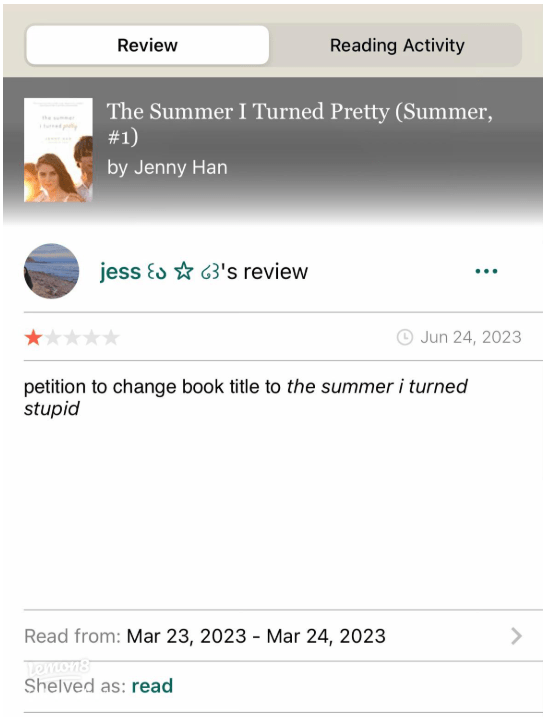
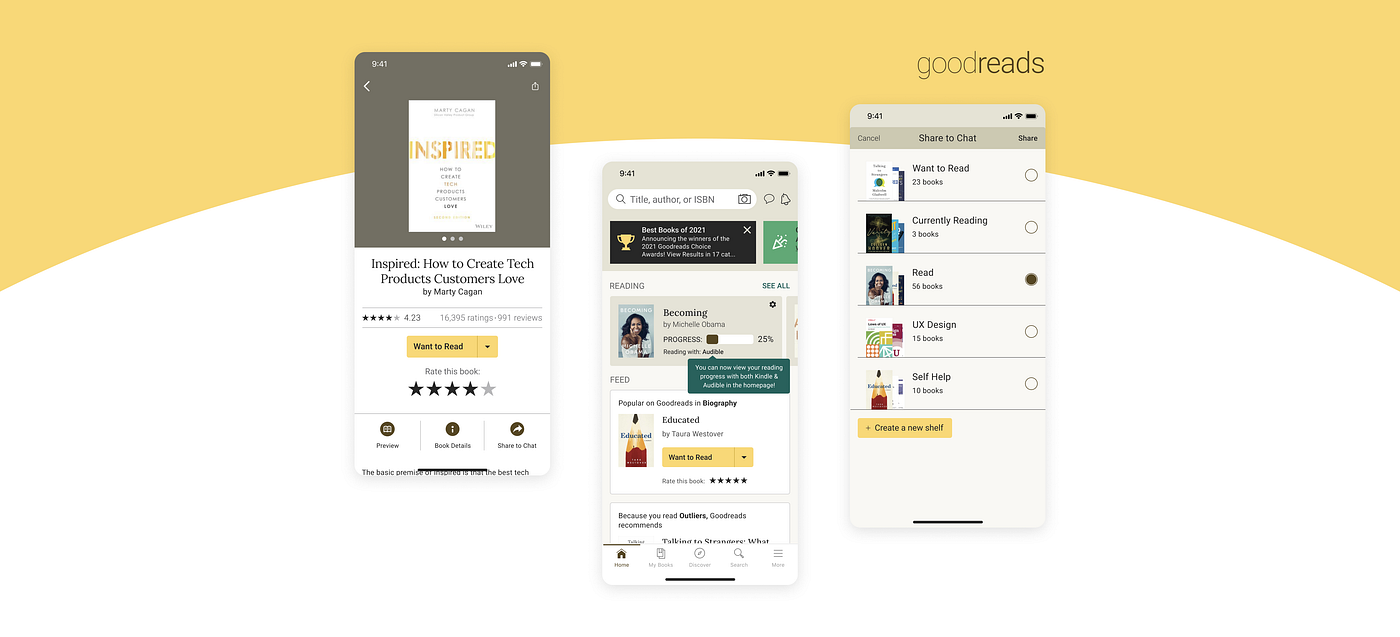
On its own, not great—but here’s the trick:
- Open reviews and search within them for:
- “language”
- “clean”
- “explicit”
- “graphic”
- “Christian”
You’ll often find readers who essentially write mini “parents guides” in the reviews.
What You’ve Discovered (and Why It Works)
Your method—downloading and word-searching—is actually doing something very similar to what a formal system would do:
- You’re creating your own content filter algorithm
- Based on keywords tied to values
That’s not far off from how moderation systems work—just manual and smarter.
If You Want Something Even Better…
You could take your approach one step further and make it systematic:
Build a “Personal Filter List”
Create a short list of search terms like:
- explicit words you want to avoid
- phrases like:
- “she moaned”
- “he cursed”
- etc.
Then:
- Run searches quickly in samples
- Or even full public-domain / ebook text
This turns your method into a fast screening tool
Why This Gap Exists (Interesting Side Note)
Unlike movies:
- Books don’t have a centralized rating authority
- Publishing is decentralized
- And culturally, books have been treated as “self-filtered”
So instead of one IMDb-style system, we ended up with:
- niche reviewers
- faith-based filters
- crowd-sourced tagging
If You’d Like…
Given your standards and the fact you’ve already exhausted many older works, I can:
- Identify modern authors who quietly write clean but intelligent fiction
- Or build a “high-quality + clean” list that avoids the usual shallow picks
You strike me as someone who wants substance without compromise, not just “safe but bland.” I can aim specifically for that.
 Conversations
Leave a comment