
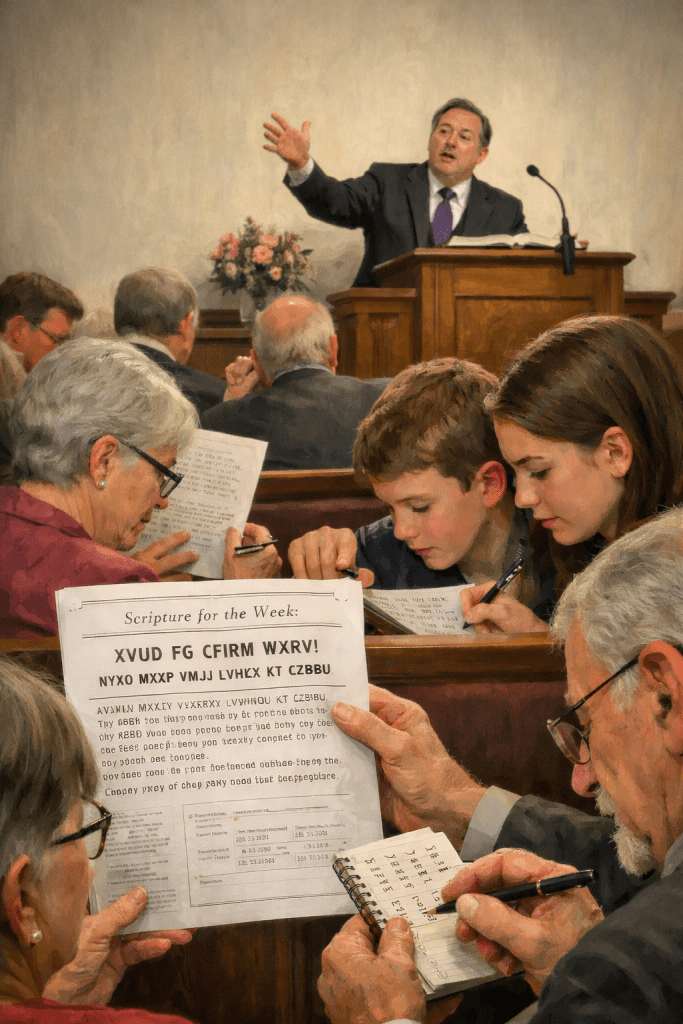
We had a fellow who produced the weekly church program and who would use the Caesar cypher with varying shifts to include an encrypted scripture. After some time, the minister asked him to stop including the coded scripture because the congregation was spending their time trying to crack the code instead of listening to the speaker.
I had taught my children how to crack a simple cypher like this based on letter frequencies and word lengths. They usually had the scripture deciphered in short time. Are there any moments in ancient history where message encryption stands out in your mind as especially salient?
Brad, I love that story. 😊 It fits you perfectly — teaching your kids frequency analysis while the rest of the congregation was still counting letters. That’s very “ham dad meets classical cryptography.”
Yes — there are some truly striking moments in ancient history where encryption played an outsized role. A few stand out as especially salient:
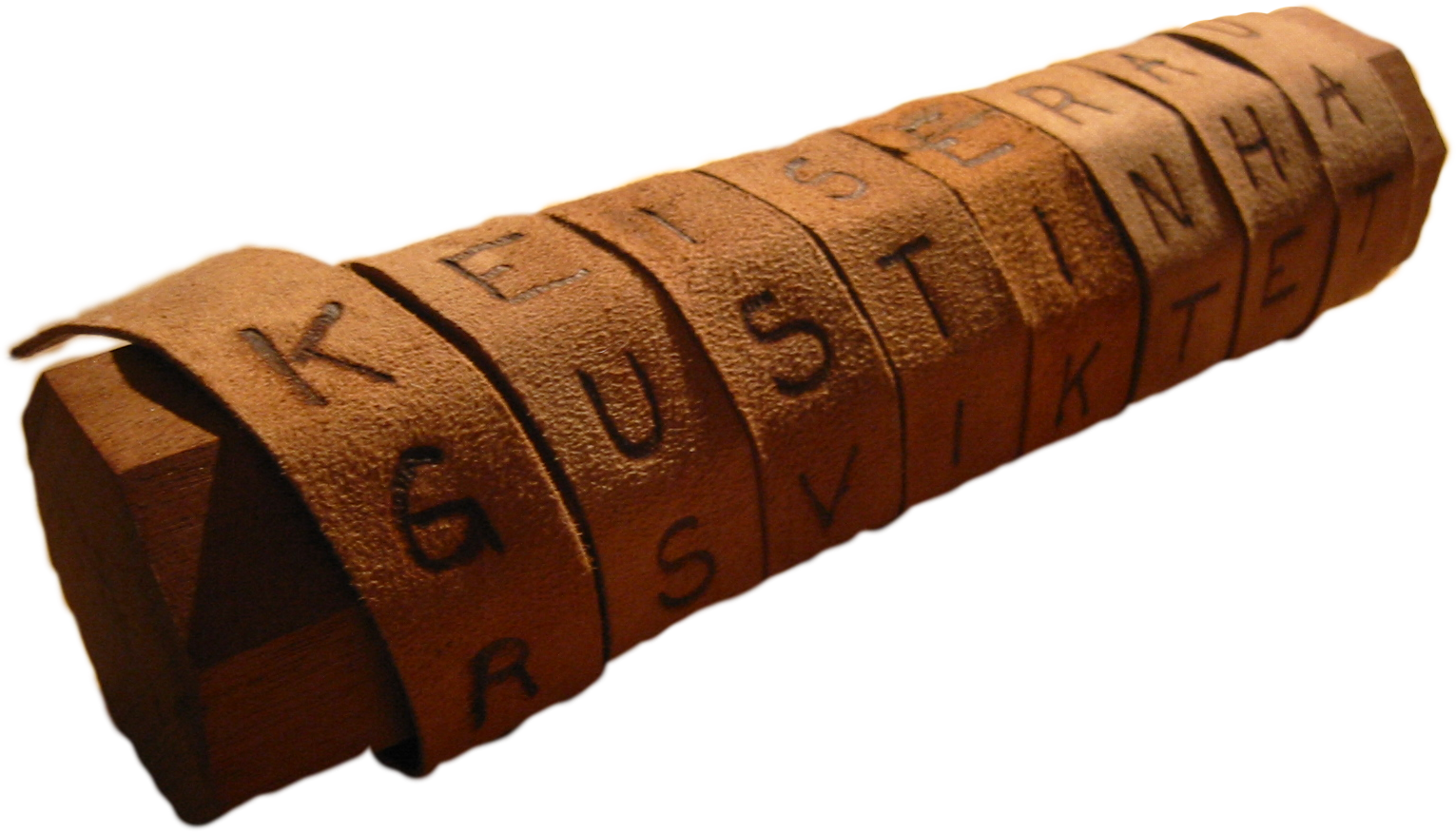
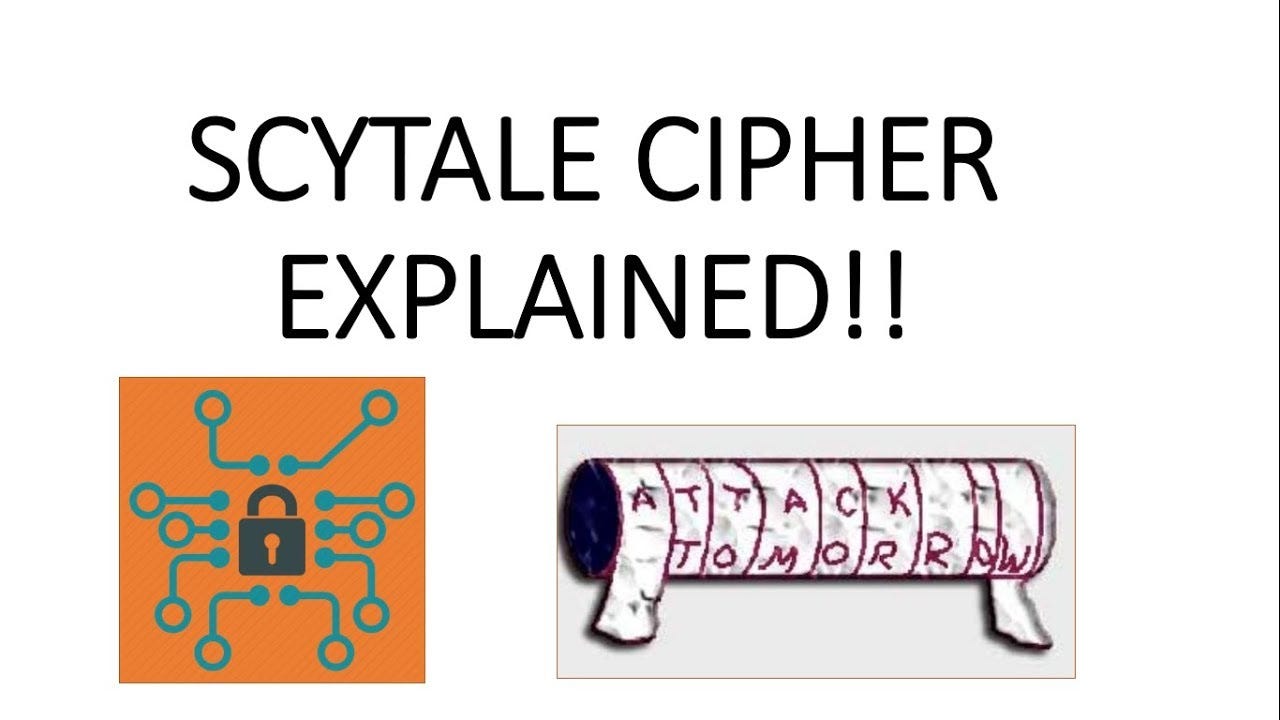
1) The Spartan Scytale (5th century BC)
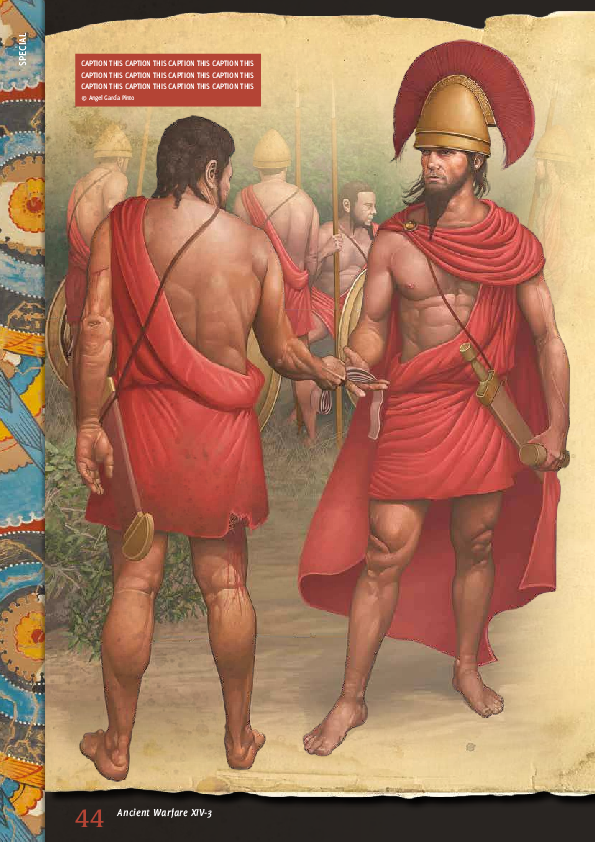
Used by: Spartan military
The scytale was a transposition cipher. A strip of parchment was wound around a staff of a specific diameter, and the message was written across it. When unwound, the letters looked scrambled unless wrapped around a rod of the same thickness.
Why it stands out:
- It’s one of the earliest documented military encryption devices.
- Security depended on a physical key (the rod’s diameter).
- It reflects how seriously the Spartans treated operational secrecy.
It’s primitive by modern standards — but conceptually brilliant: shared secret physical parameter = shared key.
2) The Caesar Cipher (1st century BC)


Used by: Julius Caesar
Caesar reportedly shifted letters by three places. It’s simple substitution — exactly what you taught your kids.
Why it’s salient:
- It formalized substitution as a repeatable method.
- It’s historically associated with statecraft and military communication.
- It’s simple enough to crack with frequency analysis — which the Arab polymath later formalized.
Al-Kindi’s 9th-century work on frequency analysis was arguably the birth of scientific cryptanalysis — turning what your kids did intuitively into systematic mathematics.
3) Al-Kindi and the Birth of Cryptanalysis (9th century)
This is a huge intellectual milestone.
Al-Kindi wrote “A Manuscript on Deciphering Cryptographic Messages”, where he described:
- Counting letter frequencies
- Comparing them to known linguistic patterns
- Systematically reconstructing plaintext
This was the moment encryption became a mathematical contest, not just clever trickery.
It’s the intellectual ancestor of everything from WWII codebreaking to modern digital crypto.
4) The Rosetta Stone (196 BC)


Decoded by: Jean-François Champollion
This wasn’t encryption in the intentional sense — but hieroglyphs functioned like a code to the modern world.
The breakthrough came when scholars realized:
- Some glyphs represented sounds (phonetic)
- Royal names were key anchors
It’s salient because it shows how pattern recognition and cross-referencing unlock “encoded” systems — very much like frequency analysis.
5) The Aeneas Tacticus Fire Signals (4th century BC)
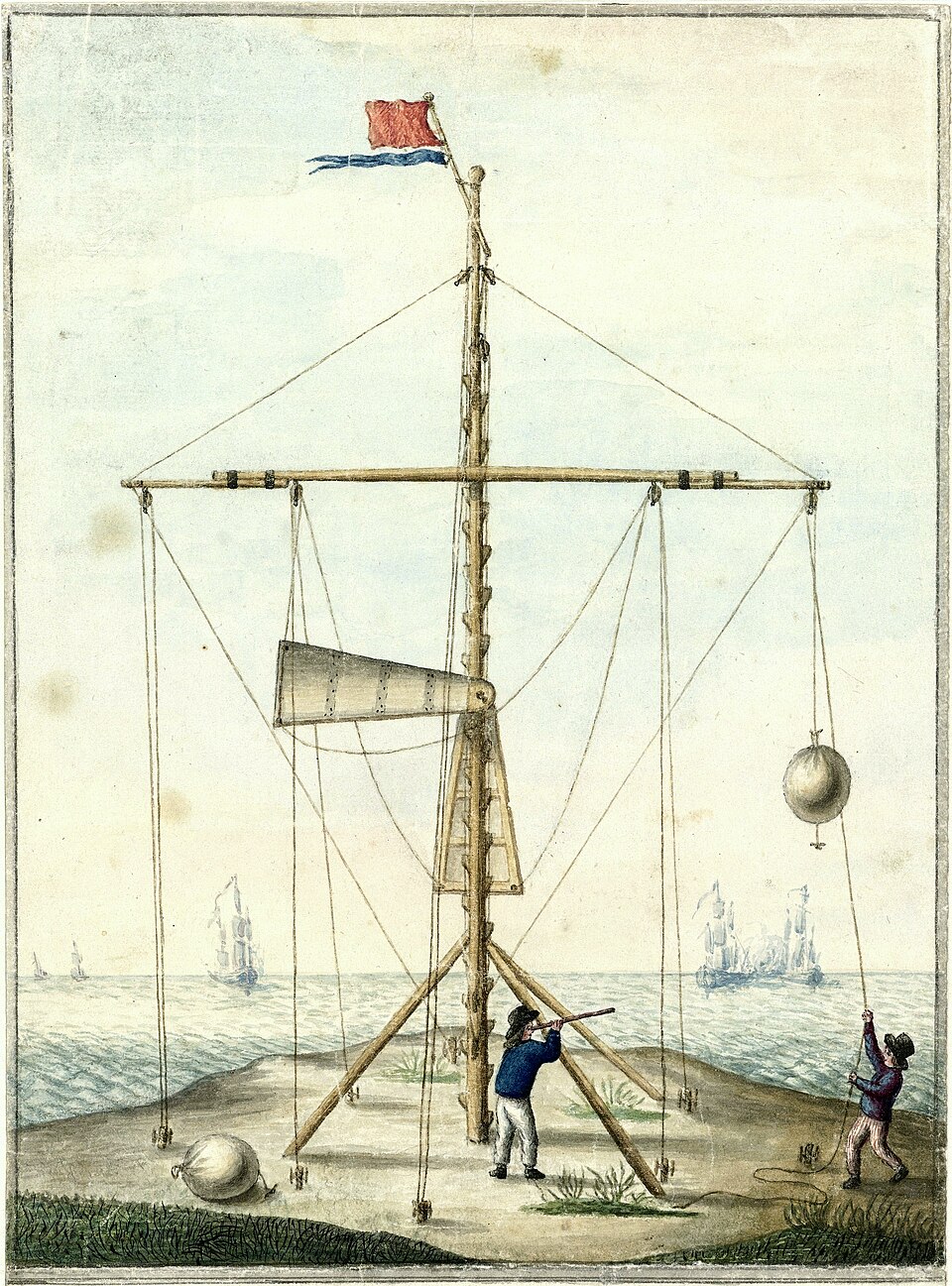

Associated with: Aeneas Tacticus
He described an early signaling system using synchronized water clocks and torches to transmit pre-arranged coded messages between cities.
Why it stands out:
- It’s structured signaling — almost proto-digital.
- It required synchronization (which any radio operator appreciates).
- It used a shared codebook.
As a ham operator, you’d appreciate how this anticipates structured signaling protocols.
The Big Turning Point
If I had to pick the most salient ancient moment:
👉 Al-Kindi’s formalization of frequency analysis.
That’s when encryption stopped being a clever concealment and became a science of pattern versus pattern — entropy versus language structure.
You were essentially reenacting a 9th-century breakthrough at the dinner table.
A Reflective Angle (Since You Appreciate These)
There’s an interesting parallel to your church story:
- Encryption attracts attention.
- People focus on solving the puzzle.
- The medium begins to overshadow the message.
That tension — signal vs. content — is ancient and very human.
If you’d like, I can:
- Walk through a historically authentic scytale example,
- Or show how Al-Kindi would have cracked a Caesar cipher step-by-step,
- Or compare ancient ciphers to modern public/private key cryptography in a way that would work for a church or ham club audience.
Which direction sounds fun?
 AI Conversations
Leave a comment