
Chat history
You said:
How universal are stories about little people, this being St. Patrick’s Day?
ChatGPT said:
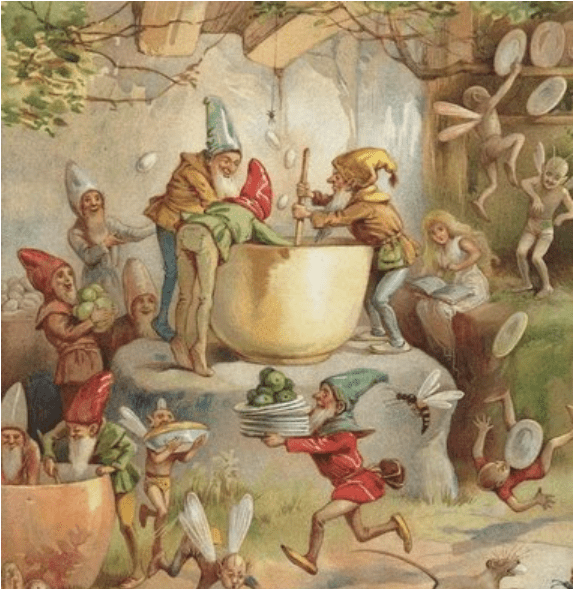
Stories about “little people” are remarkably universal—they show up on almost every continent, across very different cultures, often with strikingly similar traits. just happens to spotlight one of the most famous versions: Irish leprechauns. But they’re part of a much bigger human pattern.
🍀 Irish Leprechauns (Europe)
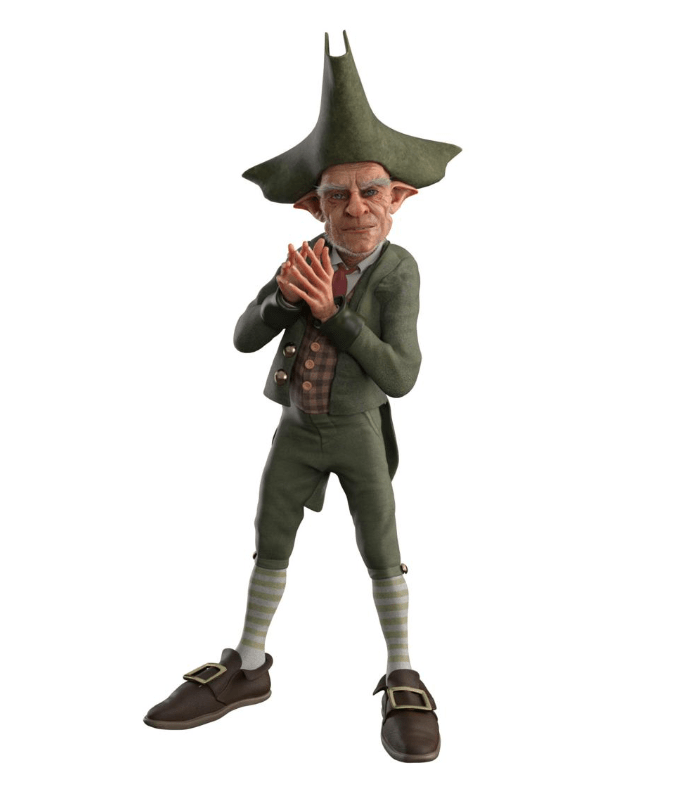
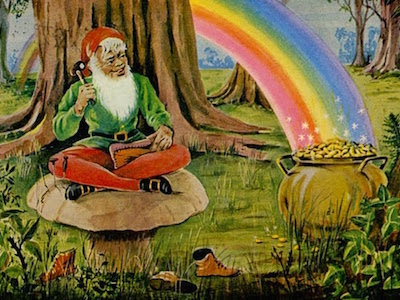
- Small, solitary fairy folk
- Often shoemakers guarding hidden gold
- Tricksters—hard to catch, clever, sometimes grumpy
- Part of the broader Celtic “fae” tradition
🧝♂️ European Cousins (Norse, Germanic, Slavic)
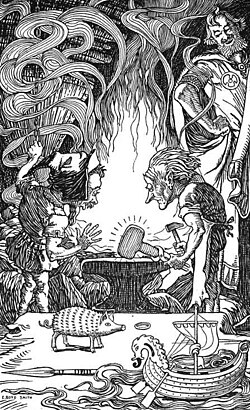
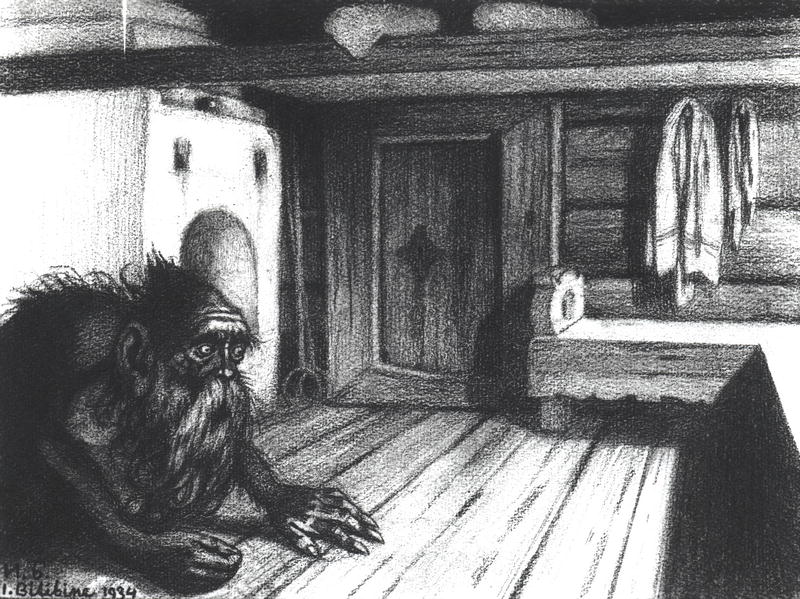
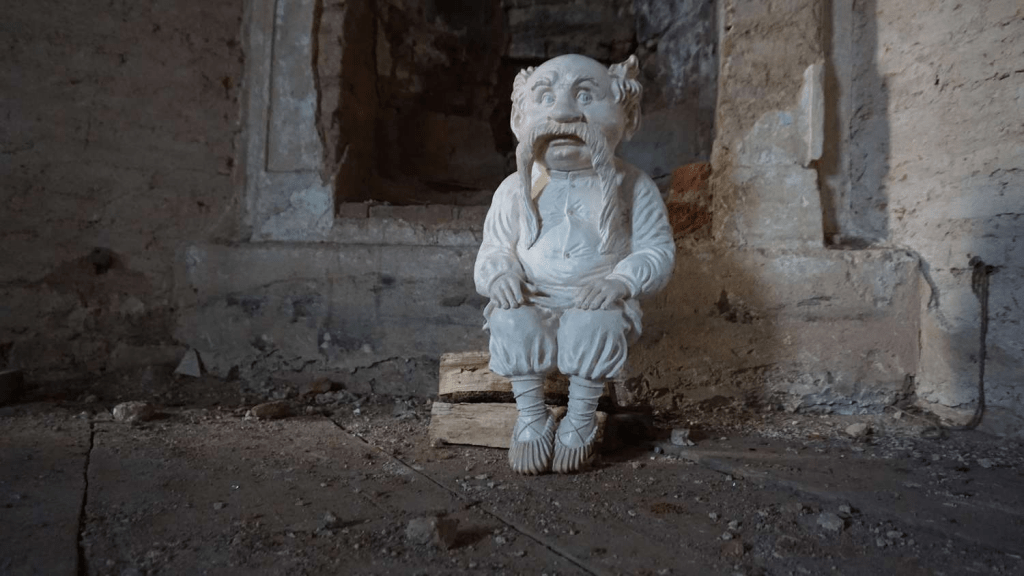
- Norse dwarves: master craftsmen, live underground
- Kobolds / Brownies: small household spirits—helpful or mischievous
- Domovoi: protective home spirits in Slavic lore
Pattern: small beings tied to homes, earth, or craftsmanship
🌏 Asia (Japan & Beyond)
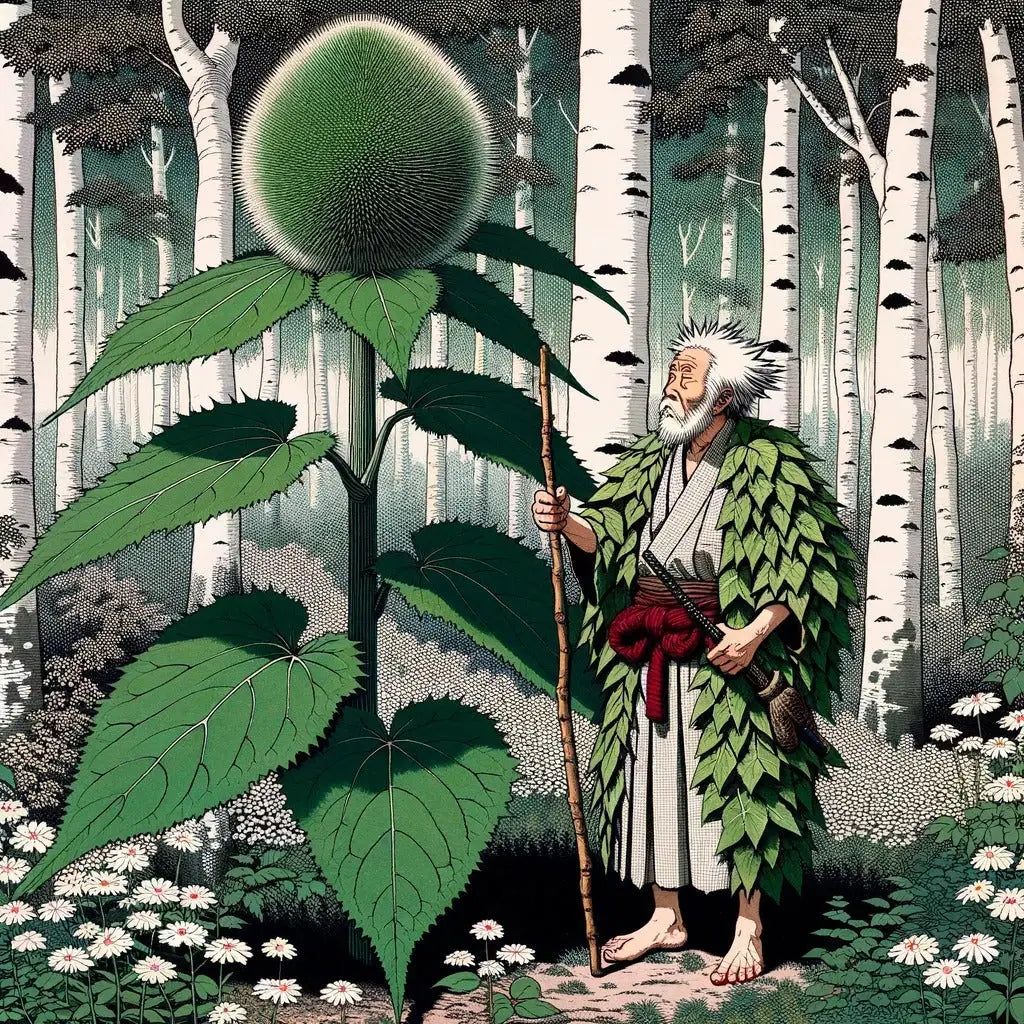
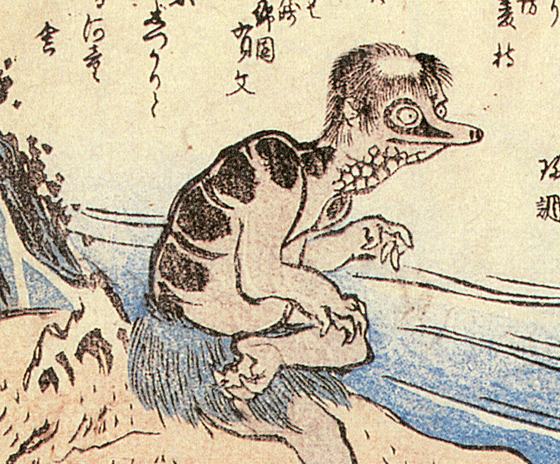
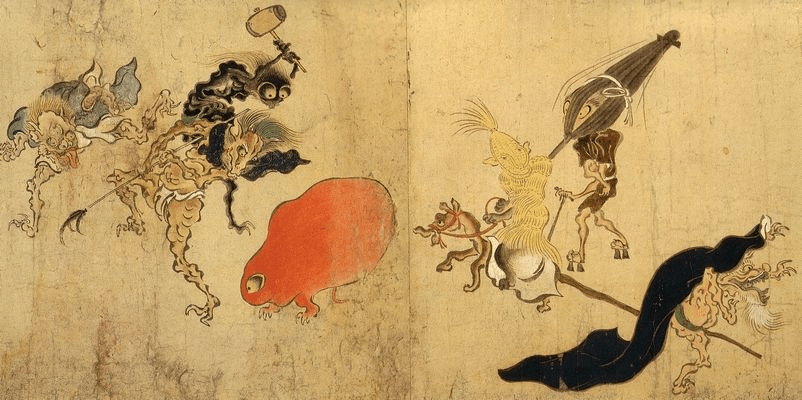
- Koropokkuru (Ainu, Japan): tiny people living under plants
- Zashiki-warashi: childlike house spirits bringing good fortune
Pattern: hidden neighbors—seen rarely, bring luck or mischief
🌍 Africa
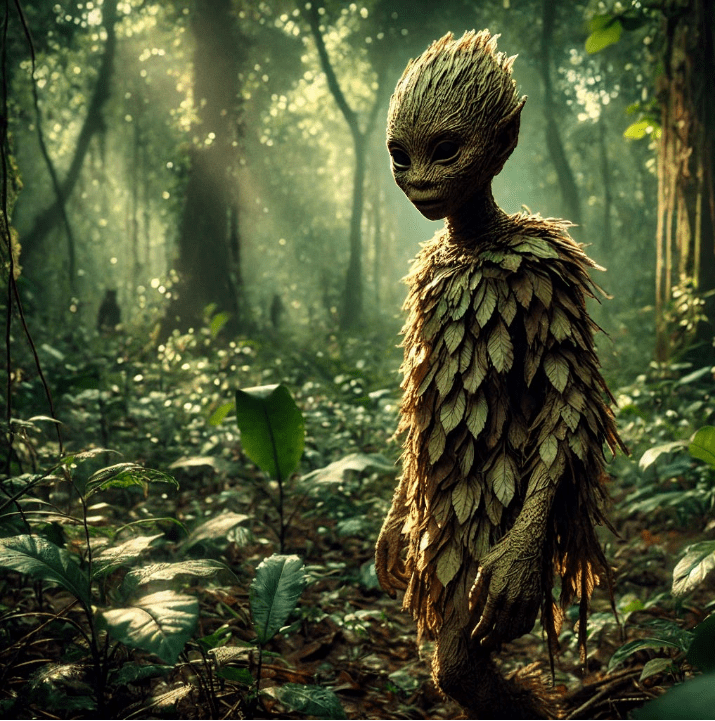
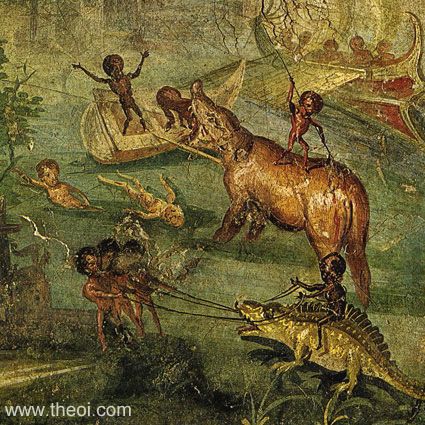
- Aziza (West Africa): small forest spirits who teach humans
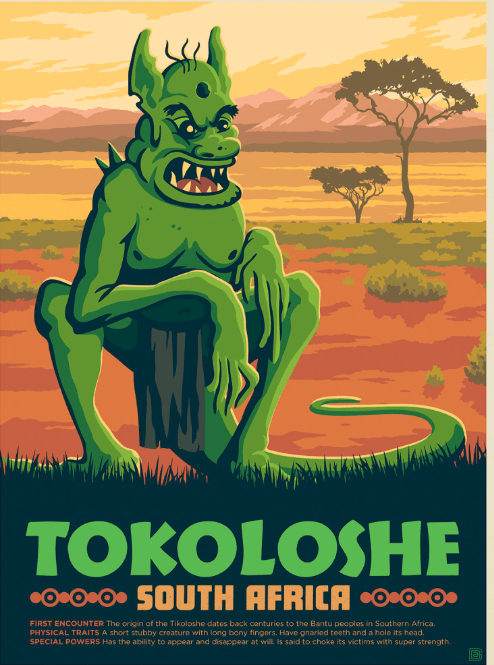
- Tokoloshe (Southern Africa): mischievous or troublesome little being
Pattern: forest-dwelling, sometimes helpful, sometimes feared
🌎 Indigenous Americas
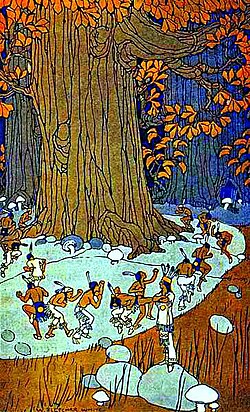
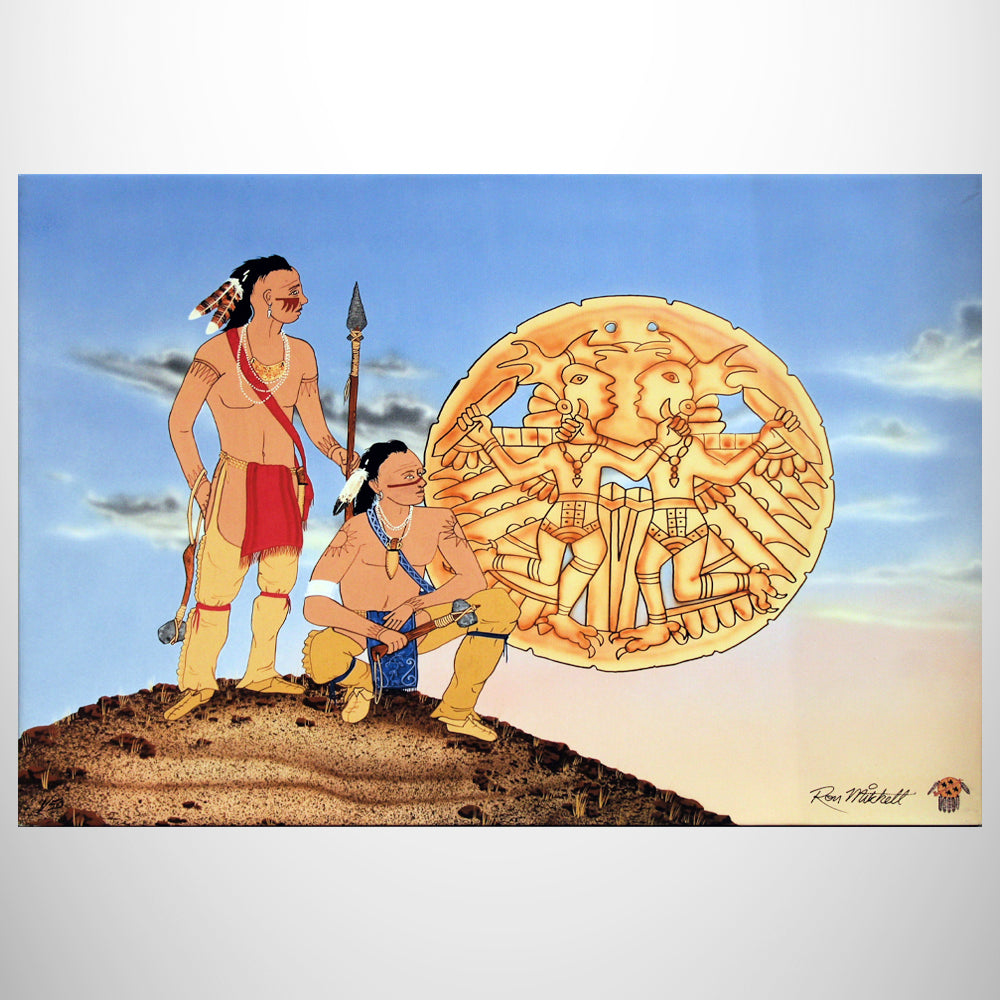
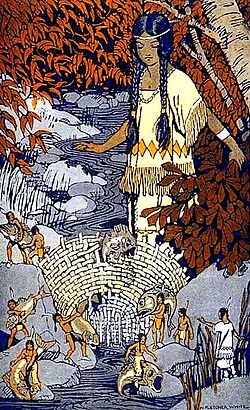
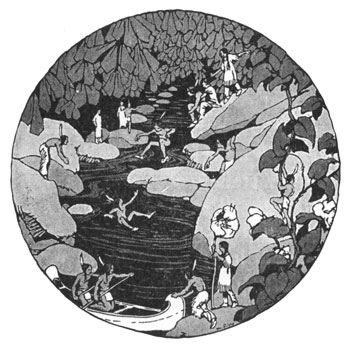
- Mannegishi (Ojibwe): playful, trickster river spirits
- Nunnehi (Cherokee): hidden people who sometimes help humans
- Pukwudgies (Wampanoag): small, magical forest beings
Pattern: invisible neighbors—can guide or deceive
🧠 Why Are They So Universal?
Across cultures, these stories tend to share core ideas:
1. “Hidden world alongside ours”
Humans seem wired to imagine that something is just out of sight—in forests, under hills, inside homes.
2. Personification of the unknown
Small beings explain:
- Strange noises in the house
- Missing objects
- Sudden good or bad luck
3. Moral teaching tools
They reward:
- Kindness
- Cleanliness
- Respect for nature
…and punish the opposite.
4. Scale and control
Tiny beings are:
- Less threatening than giants
- But still powerful and unpredictable
5. Possible roots in real encounters
Some theories suggest:
- Memories of earlier, smaller human populations
- Encounters with unfamiliar groups
- Or simply universal imagination patterns
🍀 A Thought for St. Patrick’s Day
Leprechauns aren’t just an Irish curiosity—they’re one expression of a global human instinct to people the unseen world.
It’s almost as if every culture is saying:
“You’re not alone… but what’s nearby doesn’t always want to be seen.”
If you want, we could map these “little people” stories geographically (like your resource maps) or even compare their personalities—who’s helpful, who’s dangerous, who’s just mischievous.
You said:
I read recently that a certain mushroom reliably invokes remarkably consistent hallucinations of little people and that this mushroom grows in many areas of the world. Is this a possible source of the “myths” surrounding little people?
ChatGPT said:
Yes—what you read is real and very recent, and it adds an intriguing new piece to this puzzle. But it still doesn’t fully explain the global “little people” myths. Here’s what current research actually says.
🍄 A Newly Studied Mushroom That Does Cause “Little People” Visions
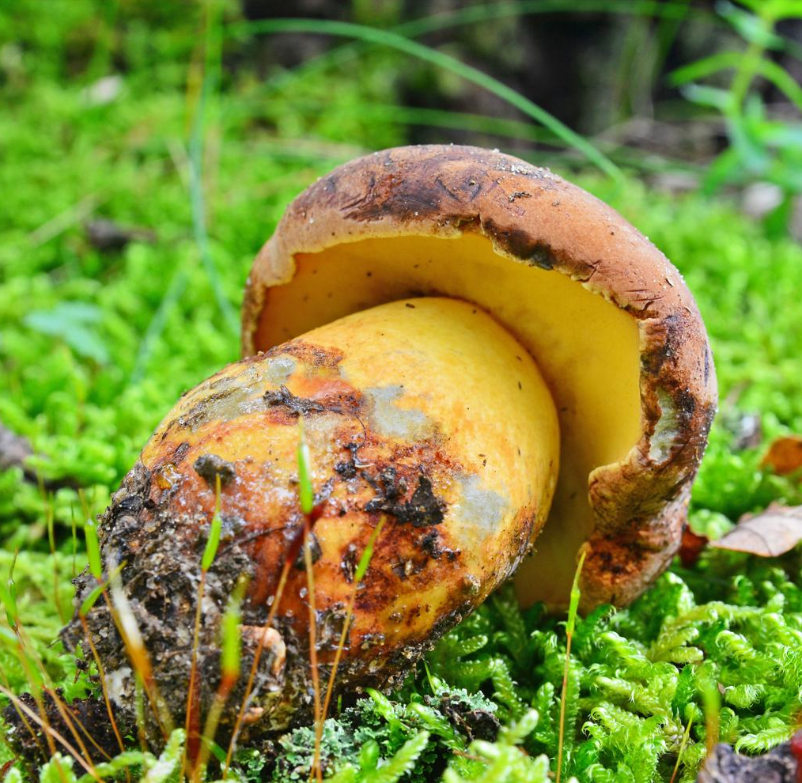
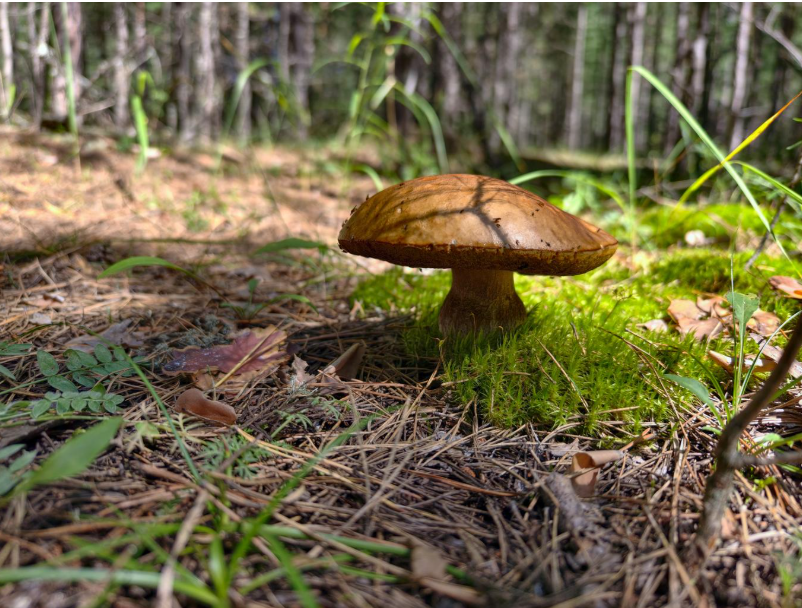
The key species: Lanmaoa asiatica
- Found in parts of China and nearby regions
- When eaten improperly (raw/undercooked), it causes very specific hallucinations
What makes it unusual:
- People consistently report seeing “tiny humans” or “little people” everywhere
- In some studies, up to ~90–96% of cases report similar imagery
- These are called “lilliputian hallucinations”
- The active chemical is still unknown and not typical (not psilocybin, etc.)
Doctors in one region treat hundreds of cases per year, often with reports of:
- Tiny figures climbing walls
- Crowds of miniature people on surfaces
- Highly vivid, shared visual themes
👉 That level of consistency is extremely unusual in hallucinations.
🧠 Important: This Is Not Typical of Most Psychedelics
Modern research shows:
- Psychedelics often produce “entity encounters” (beings, presences)
- But the form varies widely (aliens, spirits, geometric beings, etc.)
- The experience is strongly shaped by expectation, culture, and context (“set and setting”)
👉 In contrast, Lanmaoa asiatica stands out because:
- The hallucinations are surprisingly specific and repeatable
- That’s rare enough that researchers called it “bizarre” and are actively studying it
🌍 Could This Explain Global “Little People” Myths?
Here’s where things get interesting—but also where the idea breaks down.
✅ What supports the idea
- There is at least one natural substance that can reliably produce:
- Tiny humanoid visions
- Repeated across many individuals
- Similar reports exist in multiple regions (China, Papua New Guinea, Philippines)
👉 So:
It is now scientifically plausible that some folklore could be influenced by such experiences.
❌ What argues against it being the main cause
1. Geographic mismatch
- This mushroom is regionally limited, not truly global
- Yet “little people” myths appear worldwide
2. Myths predate the research
- Stories of:
- Fairies (Europe)
- Pukwudgies (North America)
- Aziza (Africa)
…exist independently of known exposure to this mushroom
3. Hallucinations aren’t the only source
“Lilliputian hallucinations” also occur in:
- Neurological conditions
- Sensory deprivation
- Alcohol withdrawal
- Other brain states
👉 Meaning: the brain itself can generate this pattern without mushrooms.
4. Human perception is biased toward “agents”
Your brain is wired to:
- Detect faces
- Infer intentions
- See “beings” in ambiguous input
Psychedelics amplify this tendency, but don’t uniquely create it.
🧩 The Most Current Scientific View
A balanced interpretation (based on recent evidence):
Likely true:
- Certain rare substances (like Lanmaoa asiatica) can strongly reinforce “little people” imagery
- Psychedelics in general can produce entity encounters
But more likely overall:
- “Little people” myths come primarily from:
- Human cognitive tendencies (seeing agents, patterns)
- Cultural storytelling traditions
- And substances may occasionally:
- Amplify or standardize those visions in specific regions
🍀 A Really Interesting Takeaway
What’s new—and genuinely fascinating—is this:
We now have evidence that the human brain can be pushed into producing nearly identical “tiny people” visions across many individuals.
That doesn’t prove mushrooms created the myths…
…but it does suggest that the myth and the brain are speaking the same “language.”
If you want, we could go one step further and compare:
- The behavior of these hallucinated “little people”
vs. - The personalities of folklore beings (tricksters, helpers, etc.)
There are some eerie overlaps there.
 AI Conversations
Leave a comment