
Prior to this chat, I asked AI to tell me two names, one a boy and the other a girl, that have survived over the past 1,000 years. It responded with William and Catherine.
Chat history
You said:
In your opinion, who are the most famous people named William and Catherine throughout the past millennium?
ChatGPT said:
Love this question—it turns names into a kind of historical relay race. Below are widely recognized figures, spaced across ~1,000 years, who helped carry each name forward in their era. I’m aiming for cultural + political + intellectual fame, not just rulers.
William — power, conquest, ideas, and continuity
c. 11th century – William the Conqueror

(1028–1087)
The single most influential “William” ever. After 1066, William explodes in England. Without him, the name would likely be far rarer in English-speaking history.
c. 14th century – William of Ockham

(c. 1287–1347)
Philosopher and theologian; “Occam’s Razor.” Represents the scholarly Latin Willelmus → William tradition.
c. 16th–17th century – William Shakespeare

(1564–1616)
Probably the most famous given name + surname combination in English literature. Cemented William as timeless, not just aristocratic.
c. late 17th century – William III of England
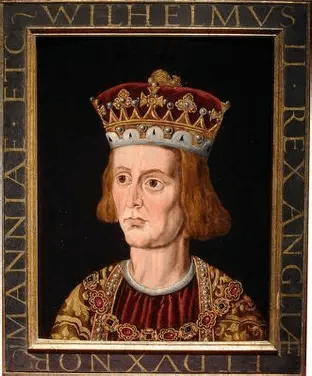
(1650–1702)
Also, William of Orange. Reinforced the name among Protestant monarchies and political elites.
c. 19th century – William Wordsworth
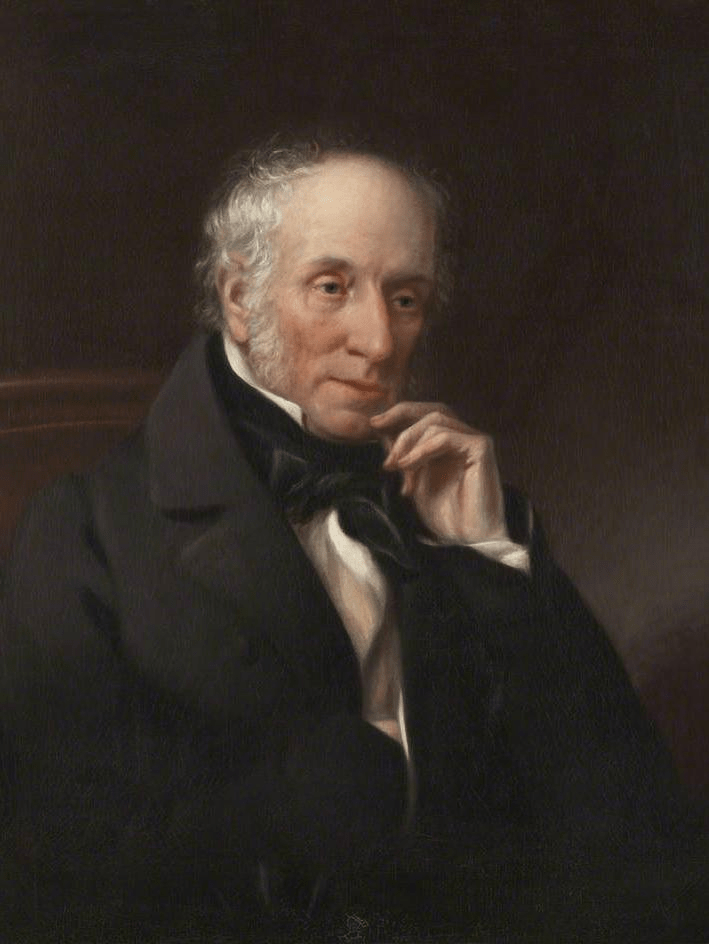
(1770–1850)
Romantic poetry + education = William as a gentleman poet name, not just kings and warriors.
c. 20th century – William Faulkner
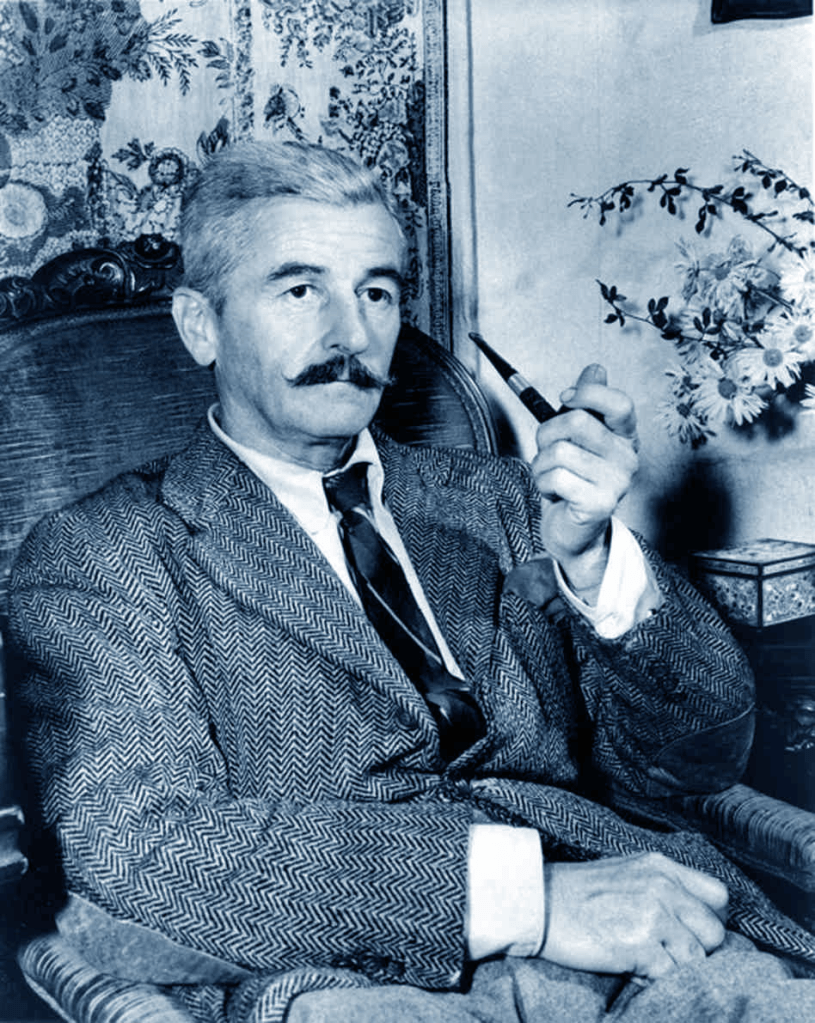
(1897–1962)
Nobel Prize–winning American author. Shows William’s durability crossing continents and centuries.
Pattern:
William moves from warrior king → scholar → artist → national leader → global literary figure, without ever feeling dated.
Catherine — sainthood, queenship, intellect, modern royalty
c. 4th century – Catherine of Alexandria (foundation figure still shaping later centuries)

(traditionally c. 287–305)
Her cult spreads across Europe in the Middle Ages. This is why the name survives at all.
c. 16th century – Catherine de Medici

(1519–1589)
Italian-born queen of France; power behind the throne. Made Catherine/Katherine unmistakably royal.
c. 18th century – Catherine the Great
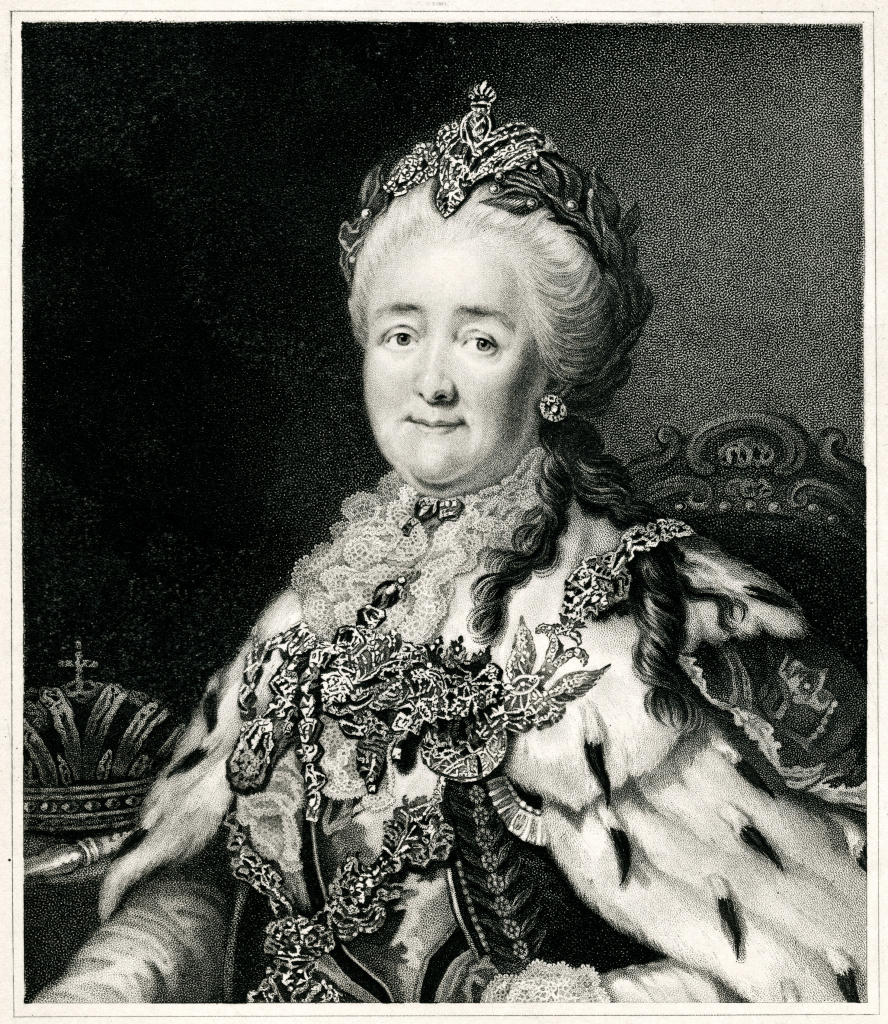
(1729–1796)
Arguably the most famous Catherine ever after the saint. Enlightenment ruler, patron of arts, geopolitical heavyweight.
c. 19th century – Catherine Booth
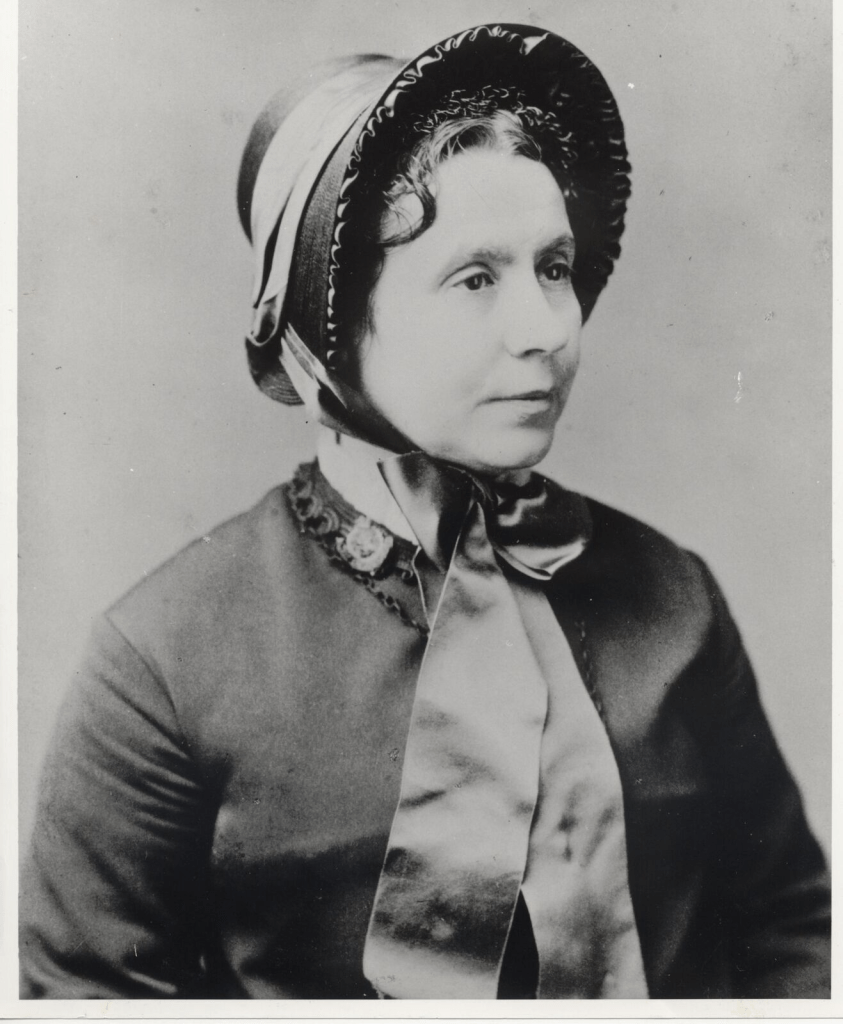
(1829–1890) A different kind of fame: moral authority, social reform, religious leadership. Shows the name’s flexibility beyond royalty.
c. 21st century – Catherine, Princess of Wales
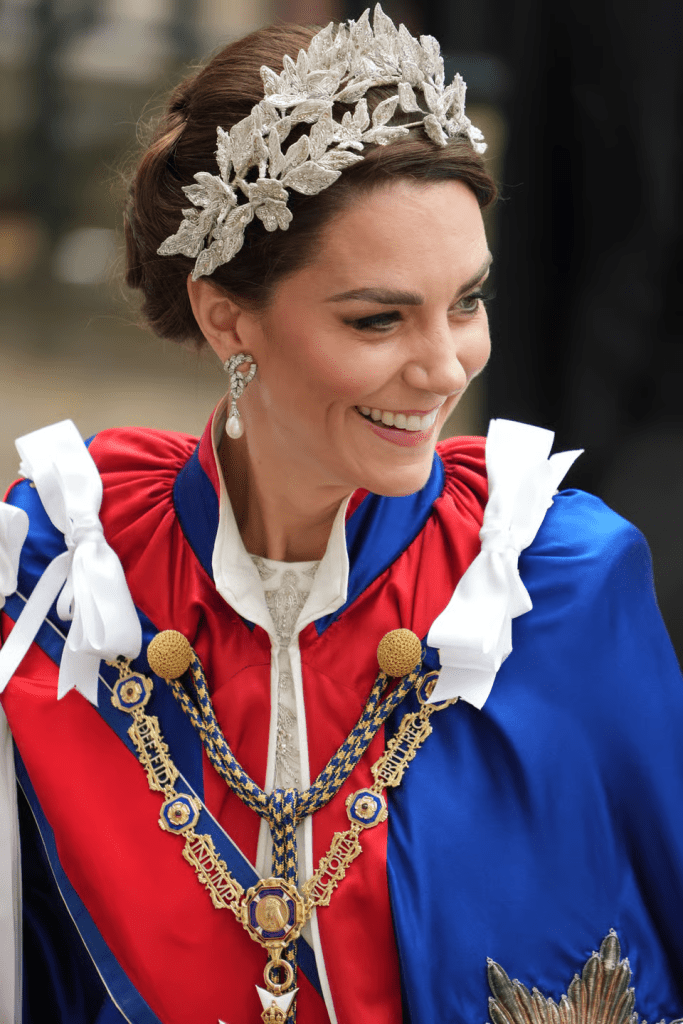
(born 1982) Modern, globally visible Catherine—bridging tradition and contemporary culture. The name still signals steadiness and dignity.
Pattern:
Catherine flows from saint → queen → empress → reformer → modern public figure, keeping its “seriousness” intact for a millennium.
A quiet insight
Both William and Catherine survive because they are:
- Institutionally reinforced (church, monarchy, education),
- Adaptable (nicknames, spellings, languages),
- Narrative-rich (people attach stories to them, not just sounds).
 AI Conversations
Leave a comment