
Chat history
You said:
Are natural disasters increasing?
ChatGPT said:
Here’s an overview of whether natural disasters are increasing—and how confidently we can interpret the data.
1. Reported Frequency: Apparent Growth
- Data from EM-DAT (via Our World in Data) shows that reported disaster events have risen steeply—from around 100 per year in the 1970s to about 400 per year in the past two decades AP News Our World in Data emergencyassistancefdn.org.
- The World Meteorological Organization notes a fivefold increase in weather‑related disasters from the 1970s to the 2000s The Guardian.
- The Vision of Humanity reports a tenfold global increase in disasters—from 39 in 1960 to 396 in 2019 NCEI Vision of Humanity emergencyassistancefdn.org.
But caution is needed: Improved reporting, communication technologies, and data systems since the 1980s mean that many smaller or remote events that went unrecorded in the past are now captured Our World in Data.
2. Major Disasters and Cost Trends
- In the U.S., the average number of billion‑dollar weather disasters has risen from about 9 per year (1980–2024) to 23 per year in the most recent 5 years USAFacts Climate.gov.
- NOAA confirms that the U.S. endured 403 weather and climate disasters costing $1 billion or more from 1980 to 2024 NCEI.
- Globally, economic losses have surged, with sevenfold increases from the 1970s to the 2010s. Direct losses between 2015 and 2021 averaged over US $330 billion per year Wikipedia.
3. Intensity and Severity Escalation
- Global climate change is intensifying extreme events. Between 1980–1999 and the past 20 years, climate‑related disasters rose by 83%, with major floods more than doubling and severe storms increasing by 40% Yale E360.
- NASA data from the past five years shows a doubling in the frequency, intensity, and duration of extreme weather events like floods and droughts, far exceeding the 2003–2020 average lemonde.fr The Guardian Vox.
4. Tropical Cyclones (Hurricanes, Typhoons)
- Since 1979, there’s been an increase in the proportion of Category 3+ storms, especially in the North Atlantic and Southern Indian Ocean Wikipedia.
- Rapid intensification (storms becoming much stronger quickly) is more common—up from 1% of cyclones in the 1980s to 5%, with coastal incidences tripling between 1980 and 2020 Wikipedia.
5. Deaths and Fatalities
- On a global scale, death rates from natural disasters have dropped by about 75% over the last 100 years, thanks to better infrastructure, early warning systems, and preparedness Wikipedia.
- Yet, 2023 saw 86,473 fatalities, notably above the 20-year average of ~64,100 deaths Wikipedia.
Summary Table
| Aspect | Trend |
|---|---|
| Reported frequency | Steep increase, but partly due to improved detection/reporting systems |
| Major disasters (costly) | Clearly increasing; higher frequency and cost of billion-dollar events |
| Intensity/severity | Increasing — stronger storms, floods, heatwaves, etc., linked to climate change |
| Tropical cyclone strength | More intense storms; rapid intensification more common |
| Fatalities per capita | Reduced over long term, but spikes continue with large disaster years |
Final Take
Yes, there is a clear upward trend in the reported frequency, cost, and intensity of natural disasters globally—especially for the most severe, billion-dollar events. Improvements in data collection do inflate the numbers to some extent, but the rise in damage and extreme impacts cannot be dismissed as mere artifact.
Though per-capita fatalities have generally fallen thanks to better preparedness, 2023’s death toll was unusually high, emphasizing the continued threat.
Further reading on recent natural disaster trends

The Guardian. Nasa data reveals dramatic rise in intensity of weather events

Vox. Why everywhere seems to be flooding right now
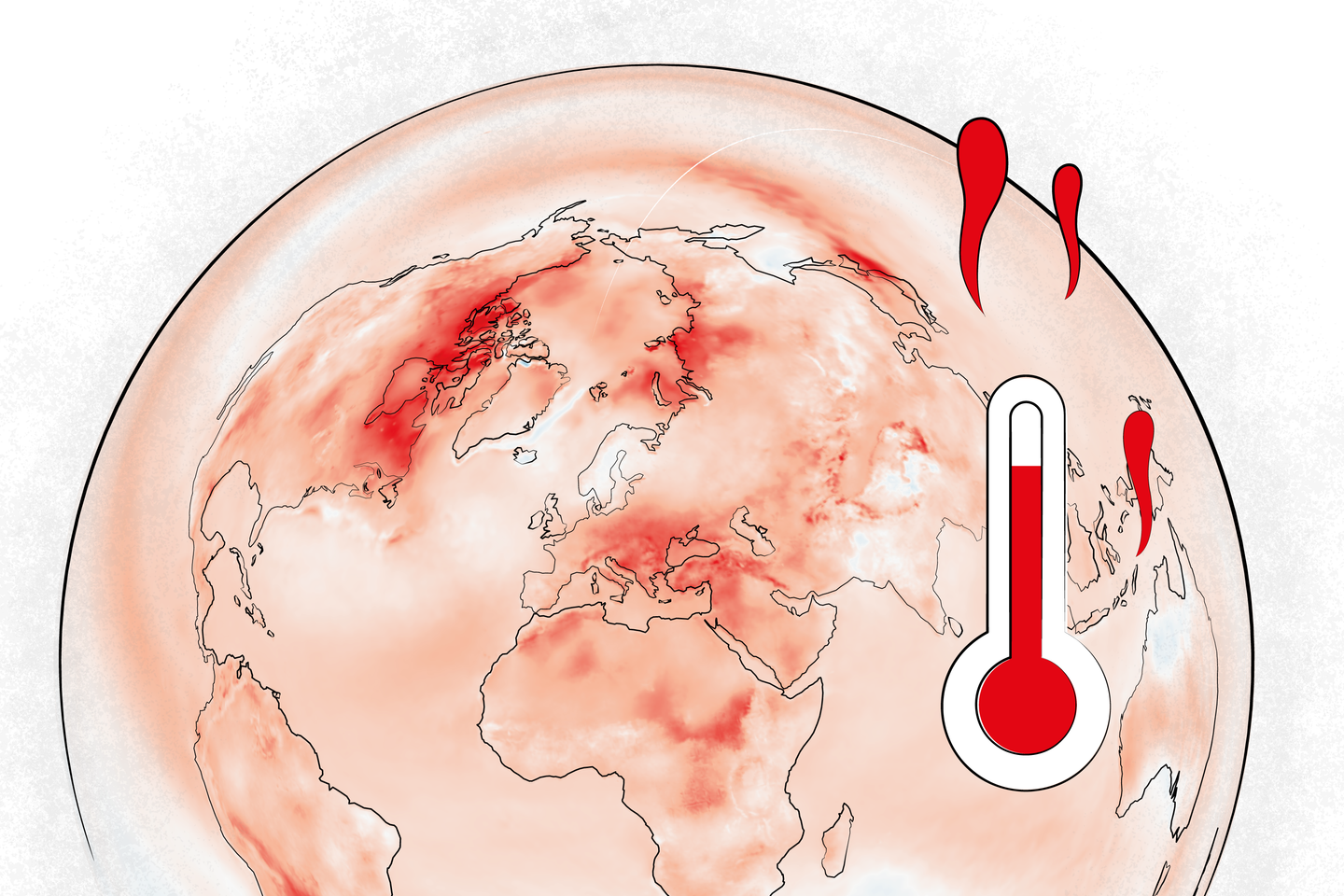
lemonde.fr. After a year of world records, heatwaves and floods continue to rage across the planet
You said:
Are governments able to keep up?
ChatGPT said:
You’re asking a crucial question—and based on the latest available data, the answer is nuanced: No, governments globally are not uniformly keeping up with the increasing scale, complexity, and frequency of natural disasters. While some advances have been made, significant gaps remain in capacity, coordination, funding, and preparedness.
Key Highlights from Recent Developments
U.S. Federal-Level Challenges
- According to the Government Accountability Office (GAO), the federal disaster assistance system is labeled a “High‑Risk” area due to rising disaster frequency and increasing complexity. Persistent weaknesses include fragmented aid delivery, insufficient workforce, and lack of consolidated assessment frameworks AP News Government Accountability Office The Washington Post.
- FEMA currently manages over 600 open major disaster declarations, some dating back nearly two decades, demonstrating a growing backlog and strain on its resources Government Accountability Office.
- In FY 2023, federal aid was activated for 60 disasters, but 23,910 incidents were handled by states and territories alone—highlighting the sheer volume of local-level responses required National Governors Association Brookings.
- Reports indicate that FEMA staffing cuts—especially under the Trump administration—have depleted critical capacity, with over 5,100 vacant positions, notably hitting the Pacific Northwest, where wildfire risk is high The Guardian.
- FEMA also disbanded its long-standing Youth Preparedness Council, undermining youth engagement and affecting the pipeline of future emergency management professionals AP News.
Early Warning & Preparedness Gaps
- The Texas floods illustrate systemic shortcomings: despite warnings, early-alert systems like sirens were not deployed due to cost concerns. Only about 50% of countries have comprehensive early warning systems in place Financial Times.
- FEMA and broader federal structures have been critiqued for fragmented funding mechanisms and delays in response—proposals are underway to streamline assistance and strengthen disaster workforce capacity The Washington PostGovernment Accountability Office.
Global Adaptation Funding Deficit
- The UN Environment Programme’s Adaptation Gap Report (2023) reveals a yawning finance gap: developing countries need between US $215–387 billion annually for adaptation, yet only $21.3 billion was delivered in 2021—just 10% of what’s needed Wikipedia.
- Only 43% of global cities had adaptation plans in 2021, and 41% had not performed any climate risk assessments—despite 93% acknowledging the risk Wikipedia.
International Coordination: A Mixed Picture
- The European Union’s Emergency Response Coordination Centre (ERCC) under the Union Civil Protection Mechanism (UCPM) stands out as a well-coordinated model—deploying aid, expertise, and equipment rapidly across borders, and even co‑funding transport via its rescEU reserves Wikipedia.
- Still, the broader Global Assessment Report (GAR 2025) underscores that systemic investment in disaster risk reduction is urgently needed to safeguard global financial stability and lives—yet remains insufficient undrr.org.
- The Sendai Framework (2015–2030) provides a strong global blueprint—with priorities including improving risk understanding, governance, investments, and preparedness—but implementation remains inconsistent Wikipedia.
Public-Private Partnerships & Structural Barriers
- While public-private partnerships (e.g., in insurance or infrastructure) offer potential, many struggle due to weak governance, poor risk awareness, or lack of long-term planning arxiv.org.
- In countries like Zimbabwe, disaster response remains hampered by bureaucratic funding models—relying on ad-hoc, post-disaster allocations rather than robust, pre-positioned budgets—hindering preparedness and recovery Wikipedia.
Summary: Are Governments Keeping Up?
| Area | Current Status |
|---|---|
| Immediate Response | Frequently overwhelmed—federal agencies like FEMA are strained, fragmented, and understaffed. |
| Early Warning & Preparedness | Inadequate in many regions—systems are underfunded or absent; local planning is inconsistent. |
| Funding & Adaptation | Massive adaptation finance gap persists; developing countries are disproportionately underfunded. |
| Coordination & Governance | Best-case models exist (e.g., EU’s UCPM), but many governments lack coherent structures or political commitment. |
Final Thought
While some progress and strong systems exist—especially in parts of Europe—most governments are not keeping pace with the growing demands of climate-driven natural disasters. Underinvestment, capacity gaps, bureaucratic delays, and coordination failures continue to hold back effective disaster response and resilience building.
Would you like more details on how community-level strategies or innovative financing (e.g., anticipatory action) are being used to close those gaps?

The Guardian. Democrats demand answers on cuts to firefighters during critical fire season
August 15, 2025
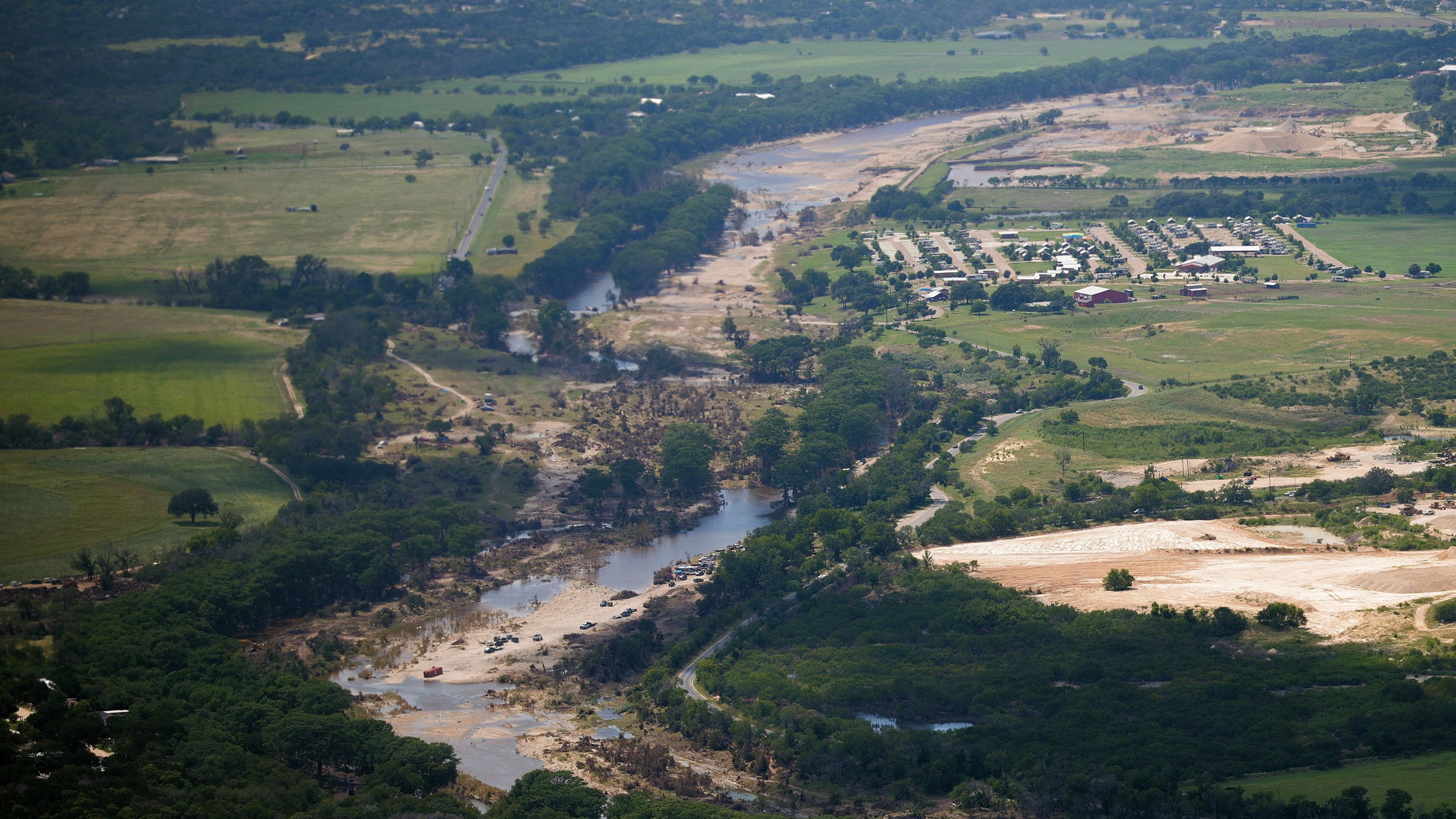
Financial Times. Texas floods show why a warmer world will need more sirens

The Guardian. Labour not protecting people, economy and homes from climate crisis, watchdog says
You said:
Can you project the current trend out five years?
ChatGPT said:
Here’s a forward-looking projection for the next five years (through ~2030), based on current disaster, climate, and policy trends.
📈 Projected Disaster Trends (2025–2030)
1. Frequency & Severity
- Weather-related disasters (floods, wildfires, extreme heat, droughts, severe storms) are expected to continue rising.
- Climate models suggest another 20–30% increase in extreme weather events globally by 2030, particularly heatwaves and intense rainfall.
- Rapid intensification of tropical cyclones will become more common, raising risks for coastal populations.
2. Economic Impact
- The average global annual disaster loss (currently ~$330 billion) is projected to exceed $500 billion by 2030 unless resilience measures expand.
- Billion-dollar disasters in the U.S., already averaging 23 per year, could reach 30+ annually if warming and urban expansion trends persist.
- Insurance systems may struggle to stay solvent—more regions could see insurers pull out (as is already happening in wildfire- and flood-prone states).
3. Fatalities & Human Toll
- Overall death rates per capita may continue declining thanks to better forecasting, warnings, and evacuation.
- However, mass-casualty events will still occur, especially in low-income countries with poor infrastructure, where adaptation funding is weakest.
- Climate-linked displacement is expected to rise—tens of millions may be forced from homes by 2030, mostly due to floods, storms, and sea-level rise.
🏛️ Government & Policy Outlook
1. United States
- FEMA is already overstretched; without major reforms, backlogs and staffing shortages will deepen.
- Federal disaster spending will rise significantly—potentially doubling by 2030—but may remain reactive rather than preventive unless Congress restructures funding priorities.
- More reliance on state and local responses is expected, but uneven capabilities will worsen inequality across regions.
2. Global Adaptation Finance
- Unless commitments expand, the current 90% adaptation funding gap for developing countries will persist.
- By 2030, many countries may still lack functional early-warning systems—today only ~50% are covered.
- UN frameworks (Sendai, Paris Agreement) will push for greater investment, but progress will depend heavily on political will and economic stability.
3. International Coordination
- The EU model (UCPM) may expand, with more pooled resources across regions.
- In contrast, fragmented international disaster response in Africa, South Asia, and parts of Latin America will remain a major vulnerability.
- Anticipatory financing (funds released before a disaster based on forecasts) will gain traction but cover only a fraction of global needs.
🔮 Five-Year Projection Summary
| Category | 2025 | 2030 (Projection) |
|---|---|---|
| Billion-dollar disasters (U.S.) | 23/year avg | 30–35/year |
| Global disaster losses | $330B/year | $500B+/year |
| Climate-displaced people | ~30M | 50–80M |
| Countries w/ full early-warning coverage | ~50% | ~70% (optimistic) |
| Adaptation funding gap | ~90% unmet | ~70–80% unmet |
⚠️ Bottom Line
By 2030, natural disasters will be more frequent, more costly, and more disruptive—and governments will likely still be lagging in preparedness. Wealthier nations will partially adapt (at high financial cost), but poorer nations will continue to bear disproportionate human losses unless international adaptation funding ramps up significantly.
Would you like me to sketch two scenarios—an “optimistic” (if governments invest strongly in adaptation) and a “pessimistic” (if they stay reactive) projection—so you can see the range of possible futures?
You said:
Are politicians aware or prioritizing disaster preparedness?
ChatGPT said:
Here’s an overview of whether and how politicians are prioritizing disaster preparedness—and what it reveals about political will in practice:
1. Public Support vs. Political Action
- Strong public backing: Across political lines, Americans overwhelmingly favor investing more in disaster prevention over purely reactive relief efforts. Even groups generally skeptical of government authority—like Republicans, Trump voters, or those with low trust in institutions—express majority support for prevention-focused spending.Scholars Strategy Network Nicholas Short Pew Charitable Trusts
- Policy advice aligns with public sentiment: A Pew analysis underscores that state and federal leaders who prioritize disaster resilience align with public expectations, earn visible community goodwill, and can build cross-partisan trust.Pew Charitable Trusts
2. Where Politicians Are Taking Action
- U.S. Federal Level – FEMA Reform:
- The FEMA Act of 2025 introduces major reforms aimed at improving FEMA’s efficiency, transparency, and responsiveness—including streamlined aid, standardized mitigation funding, and efforts to depoliticize disaster assistance.Every Texan – Transpo & Infra Committee AP News
- At the same time, a controversial Executive Order established a FEMA Review Council to overhaul FEMA’s operations—spurring debate about politicization versus improvement.Environmental and Energy Law Program
- State-Level Leadership:
- Texas: In response to devastating July floods, Governor Greg Abbott established a Select Committee on Disaster Preparedness and Flooding, quizzed officials on early-warning failures, and proposed overhauled communications and flood mitigation systems. The Legislature also backed a $1 billion annual fund for water infrastructure via a proposition on the ballot.Transpo & Infra Committee Houston Chronicle AP News The Texas Observer Spectrum Local News Houston Chronicle
- New York: Legislators introduced the Climate Resilient New York Act, proposing a new Office of Resilience—led by a chief resilience officer—dedicated to coordinating climate disaster response across agencies and tracking resilience goals statewide.Times Union
- India (Tripura): The Chief Minister rolled out a Rs 50 lakh technology-driven disaster preparedness plan featuring AI-enhanced systems, automated weather stations, volunteer training, and a Doppler radar installation.The Times of India
- Global Coordination:
- The EU unveiled its first stockpiling strategy to prepare for crises—including natural disasters—with shared reserves of essential supplies and investment programs, signaling strong institutional commitment.The Guardian
- In India, the Prime Minister’s Principal Secretary emphasized the rollout of a 10-point proactive mitigation plan, encouraging states to strengthen planning, infrastructure, and resource allocation.The Economic Times
3. Contradictions, Resistance & Missed Opportunities
- Political diversion in the U.S.: In Texas, some Republican lawmakers have repeatedly sidestepped climate resilience bills—even amid disasters—offering only reactive relief. Critics argue that political maneuvering, like redistricting fights, has often overshadowed urgent preparedness needs.Spectrum Local News The Texas Observer Every Texan –
- Service dismantling amid reform rhetoric: FEMA’s Youth Preparedness Council, which engaged young advocates in disaster readiness, was abruptly disbanded—drawing criticism for weakening the pipeline of emergency management talent.AP News
- Concurrently, FEMA leadership under the Trump administration is undergoing a shake-up, with staff slashed nationwide, training paused, and the agency’s future (possibly outside the Department of Homeland Security) under serious question.AP NewsWikipedia Washington State Standard
Summary: Are Politicians Aware? Are They Acting?
| Key Theme | Assessment |
|---|---|
| Public consensus | Strong support exists for preparedness over relief across political groups. |
| Political action | Some leaders (e.g., Texas, New York, Tripura, EU) are making meaningful moves. |
| Political obstacles | In many places, politics, cuts, and inaction dilute or derail preparedness efforts. |
| Federal consistency | FEMA reforms are underway but are tied up in partisan shifts and internal upheaval. |
Bottom Line
Yes—politician awareness of disaster preparedness is growing, and in many places it’s translating into policy innovation and reform. However, progress is uneven. In some regions, political calculations, budget constraints, or bureaucratic setbacks have stalled meaningful action. Preparedness remains a politically viable and publicly supported agenda—but realizing it consistently across jurisdictions remains a work in progress.
Let me know if you’d like a deeper dive into FEMA’s reforms or how local politics shape preparedness in other parts of the world.

Times UnionDemocrats propose ‘Office of Resilience’ for climate crises

The Times of India. Tripura CM unveils Rs 50L tech-driven disaster preparedness initiatives

The Guardian. EU urged to build stockpiles to prepare for pandemic, natural disaster or invasion
Houston Chronicle. ‘We are better than that’: Texas’ top disaster official delivers damning testimony | Editorial
ChatGPT can make mistakes. Check important info.
 AI Conversations
Leave a comment